
Why Buying an Established Home on the Bass Coast Makes More Financial Sense Than Building in 2026
The gap between what you pay for an established home and what it costs to build one is widening — and it is widening fast.
There's a version of this conversation I've had dozens of times — across Wonthaggi, Inverloch, Cape Paterson, and the rural fringes in between. A buyer comes to me, falls in love with the Bass Coast, and then says: "We're thinking of buying land and building exactly what we want." It's an understandable instinct. The idea of a custom coastal home — your finishes, your layout, your orientation — carries a particular kind of appeal.
But in 2026, that conversation requires a far more honest accounting of real costs, real timelines, and a fuel crisis that nobody had on their radar twelve months ago. When you run the numbers properly across all three of our key markets, buying a quality established home on the Bass Coast — one you can move into today — is not just more convenient. For a significant number of buyers, it is genuinely the smarter financial decision.
Here's the data — and it's sourced directly from Pricefinder & Coality, compiled on 21 March 2026.
Three Markets, Three Very Different Stories
The Bass Coast is not one market, and the current data makes that clearer than ever.
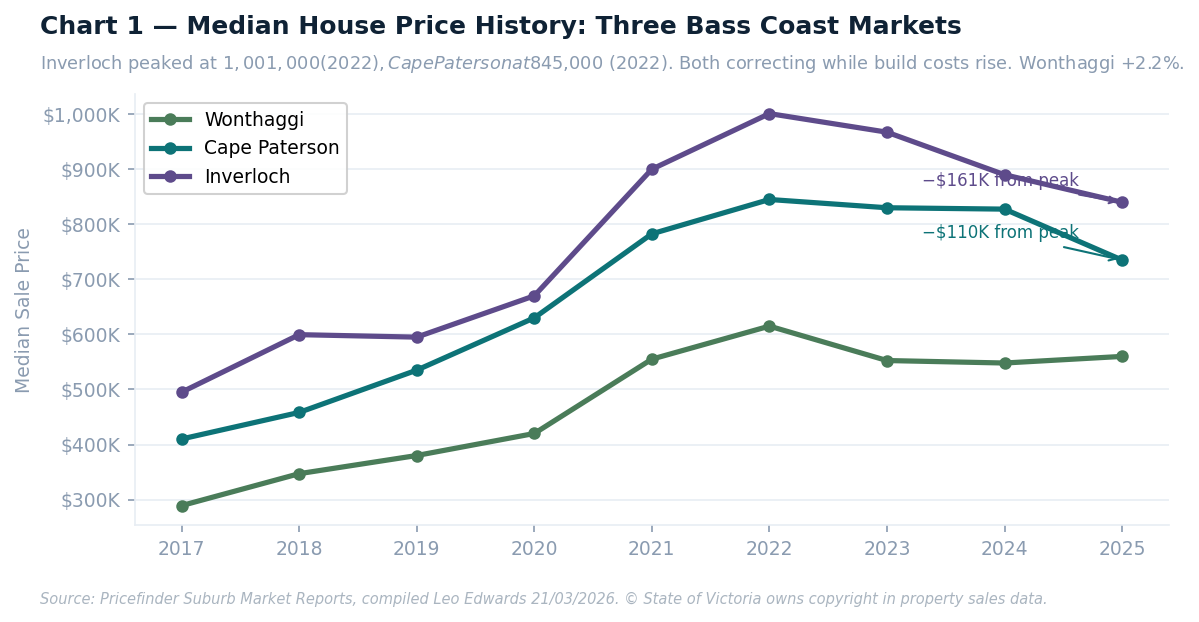
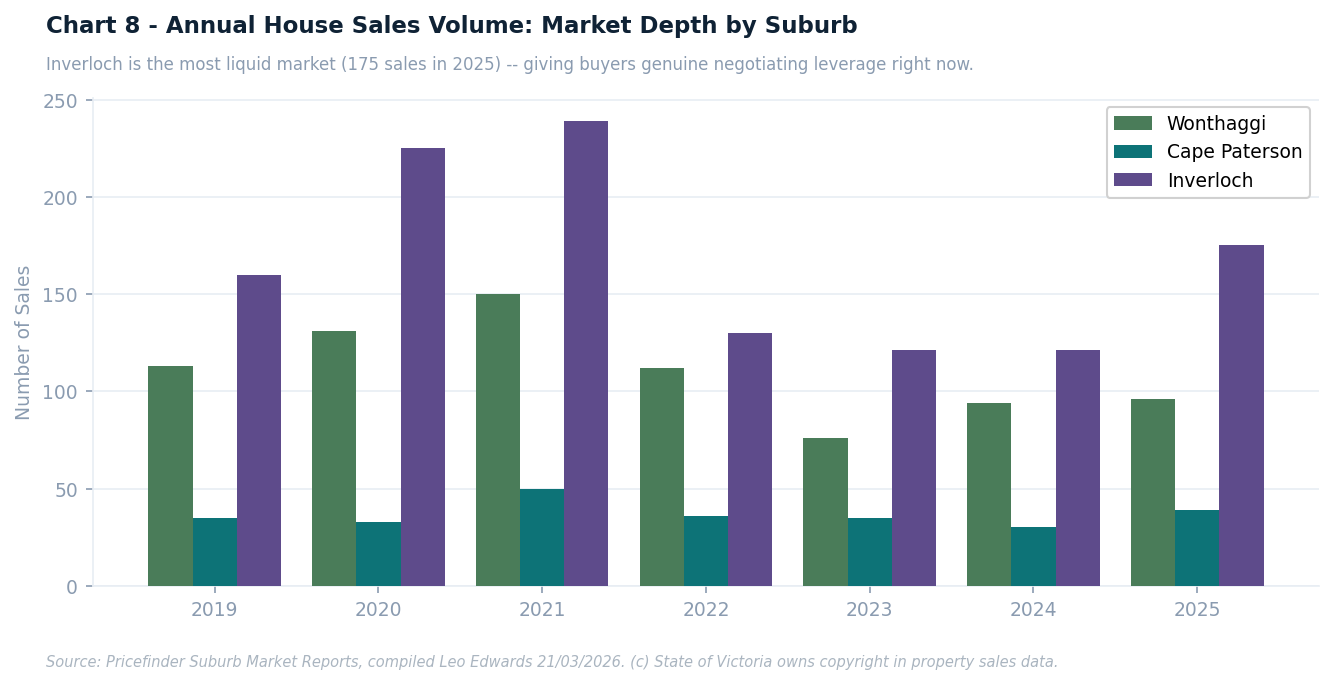
Wonthaggi recorded a median house sale price of $560,000 across 96 house sales in 2025, representing growth of +2.2% on the previous year's median of $548,000. It is the most active and most affordable of our three main markets - and with a rental yield of 4.5% and a median rent of $480 per week, it also offers the strongest investment fundamentals.
Cape Paterson tells a different story. The median house price sits at $735,000 based on 39 house sales recorded in 2025 - down 11.2% from the previous year's median of $827,500 . This is a market in measured correction after the extraordinary pandemic-era run that took the suburb from $535,000 in 2019 to a peak of $845,000 in 2022. The rental yield is 3.2%, with a median rent of $450 per week.
Inverloch recorded a median of $840,000 across 175 house sales in 2025, down 5.6% from $890,000 the year prior. The 2026 data so far - six sales with a median of $792,500 - suggests the correction is continuing to work through. Inverloch's peak was $1,001,000 in 2022. The rental market is healthy: 108 registered house rentals in the past twelve months, with a median rent of $515 per week and a yield of 3.2%.
There is something important in that correction data that often gets overlooked in the build-versus-buy conversation: established home prices are moving in buyers' favour across the two premium markets, while build costs are accelerating sharply in the opposite direction. The gap between what you pay for an established home and what it costs to build one is widening - and it is widening fast.
The True Cost of Building: Market by Market
Wonthaggi
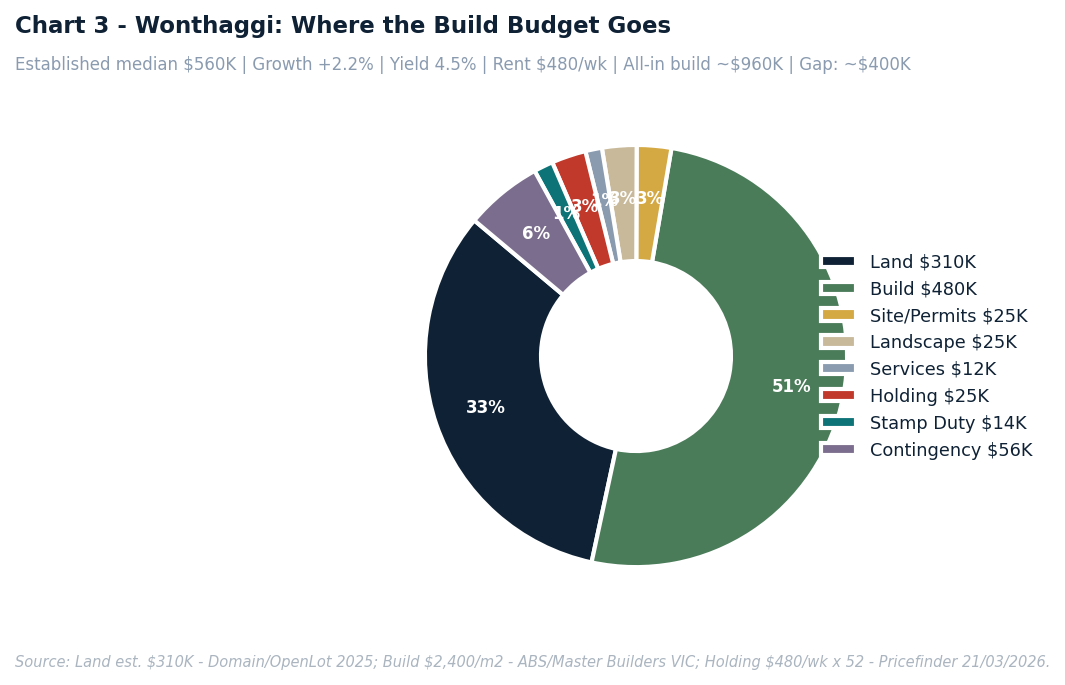
Wonthaggi is Bass Coast's most accessible build market. Vacant land in the current release stages typically runs $295,000–$350,000 for a standard residential lot. At an inland regional build rate of $2,200-$2,600 per square metre, a 200m² four-bedroom home costs $440,000–$520,000 in construction before a single additional expense is counted.
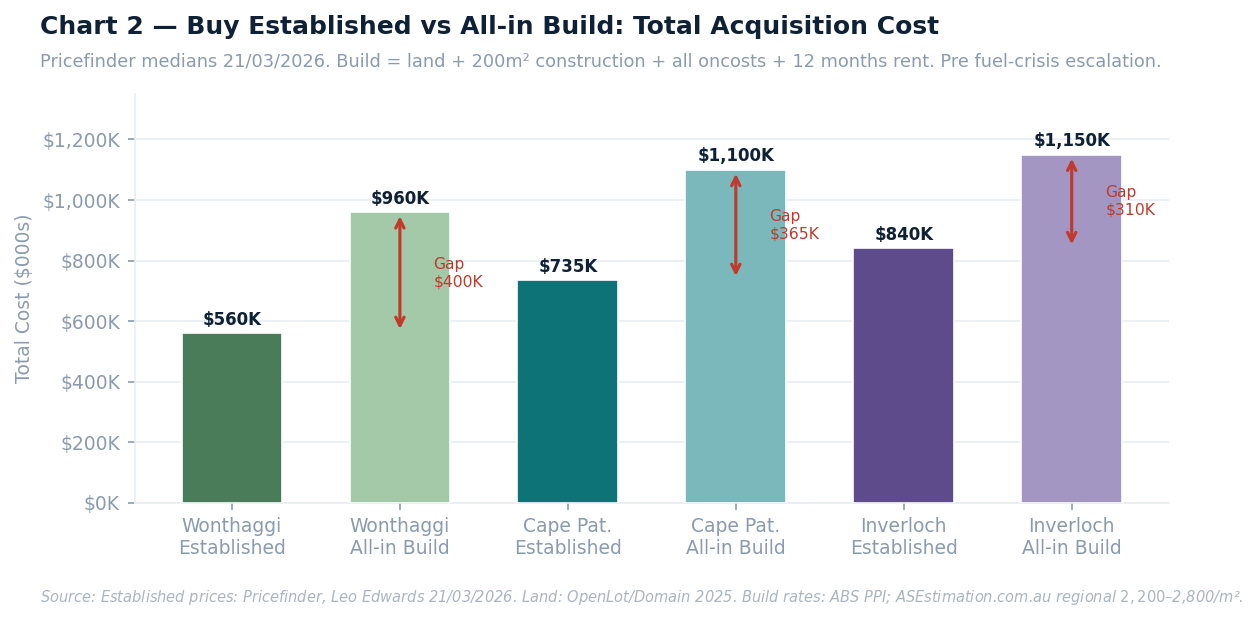
Once you add building permits and council fees ($15,000–$25,000), site works and soil reports ($20,000–$35,000), landscaping and fencing ($25,000–$40,000), service connections, a 10% contingency on the build contract, and twelve months of rental at the suburb's median $480 per week — a realistic all-in build total in Wonthaggi lands at approximately $950,000 to $1,050,000.
The Wonthaggi established median: $560,000.
The cost gap: $390,000 to $490,000.
Cape Paterson
Cape Paterson's current correction makes the buy-versus-build equation even more striking. The median has pulled back from $845,000 to $735,000 — a reduction of $110,000 since the 2022 peak. Meanwhile, build costs have moved in the opposite direction.
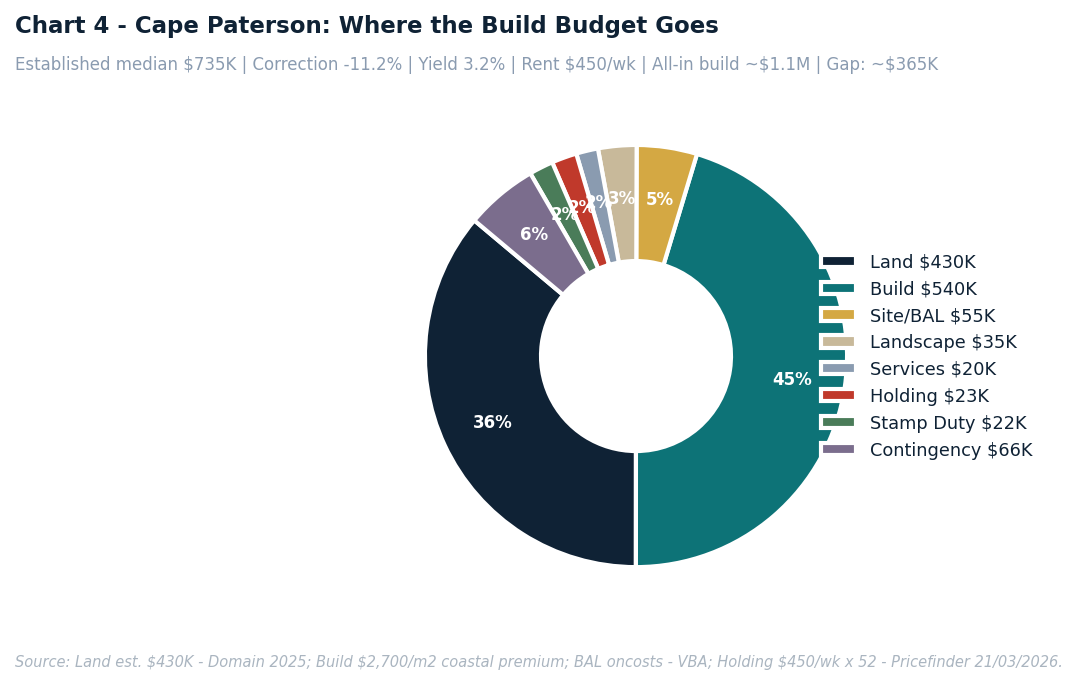
Vacant land in Cape Paterson is estimated at $400,000–$460,000 based on current listings. At a coastal site-premium build rate of $2,600–$2,800 per square metre, a 200m² home costs $520,000–$560,000 to construct. But Cape Paterson regularly attracts additional site complexity: blocks in and around the township frequently involve Bushfire Management Overlay requirements, coastal engineering specifications, EPA buffer considerations, and limited builder access — all of which push oncosts well above the Wonthaggi equivalent.
All-in, a Cape Paterson build — land, construction, permits, site works, coastal engineering, landscaping, contingency, and twelve months of holding at $450 per week — totals approximately $1,090,000 to $1,240,000.
The Cape Paterson established median: $735,000. The cost gap: $355,000 to $505,000.
And critically: while you are spending twenty-four months navigating a build, the established market has already offered you $110,000 worth of price correction off the 2022 peak. That window may not stay open indefinitely.
Inverloch
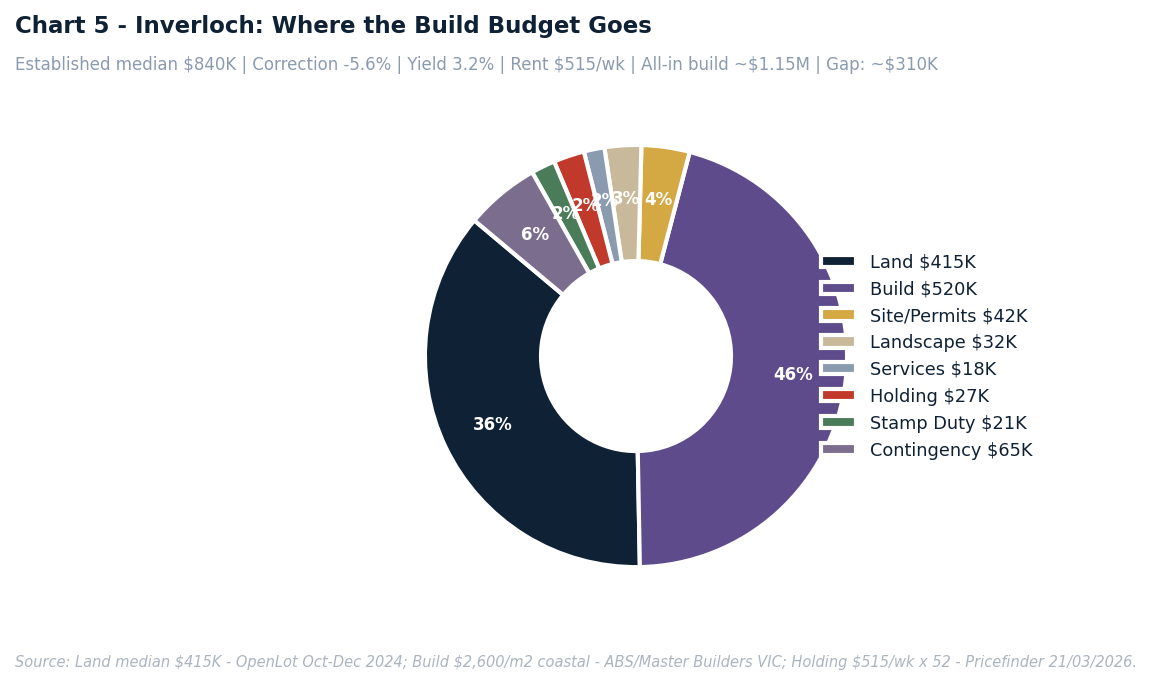
Inverloch vacant land recorded a median of $415,000 in the October–December 2024 quarter (OpenLot.com.au), with entry-level lots in the Broadbeach Estate listed from $440,000 and better-positioned allotments reaching $895,000. At $2,600 per square metre for a mid-range 200m² home, construction costs $520,000 before anything else is added.
Inverloch's coastal site conditions — reactive soils, salt air engineering requirements, council overlays — consistently push oncosts higher than comparable inland builds. With land, construction, all oncosts, and twelve months of rental at the suburb's median $515 per week, a realistic all-in Inverloch build total sits at $1,100,000 to $1,250,000.
The Inverloch established median: $840,000 — down from the 2022 peak of $1,001,000. The cost gap: $260,000 to $410,000.
Inverloch has given back over $160,000 from its peak. A build contract signed today would cost you well above that peak — before fuel-crisis escalation is applied.
Stamp Duty: The Argument That Doesn't Stack Up
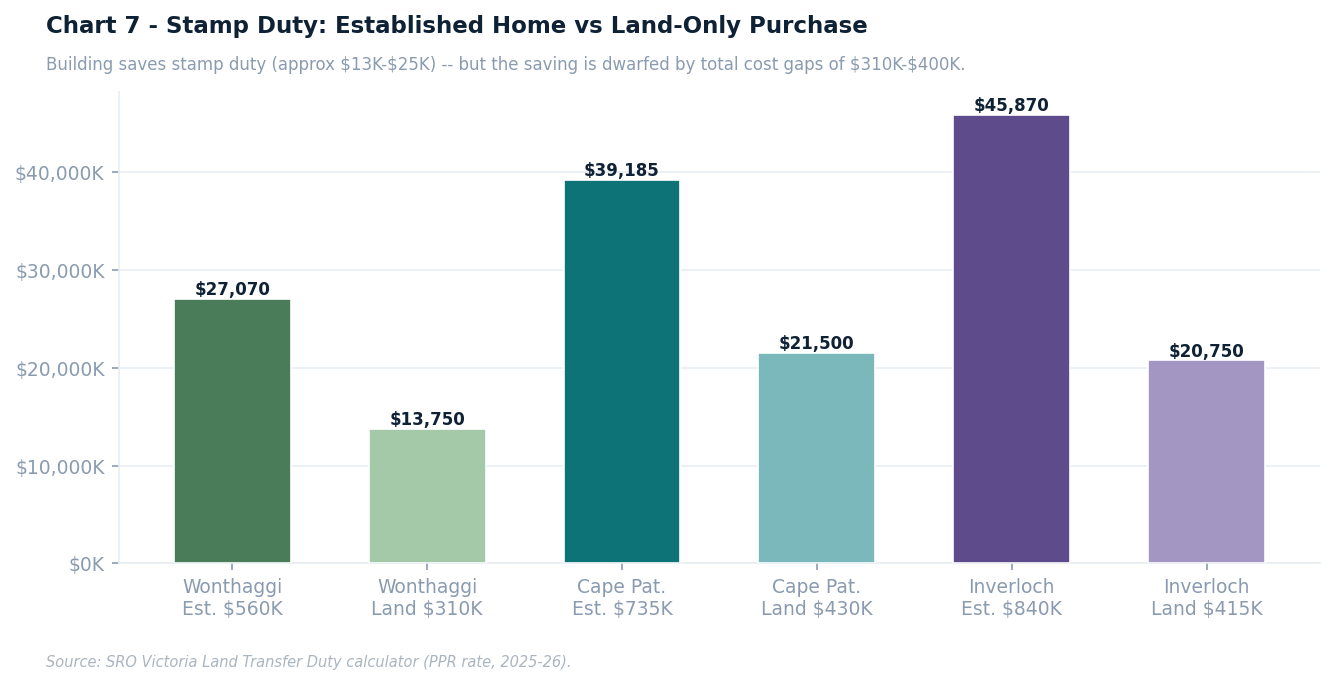
One of the most common arguments made in favour of building over buying is stamp duty. The logic goes: if you buy land and build, you only pay stamp duty on the land value, not the construction cost. That is true, and it does represent a genuine saving.
In Victoria, land transfer duty operates on a progressive scale from 1.4% to 6.5% (State Revenue Office Victoria, 2025–26 rates).
In Wonthaggi, stamp duty on a $310,000 land purchase (principal place of residence rate) is approximately $13,750. On the $560,000 established median it is approximately $27,070. Saving by building: ~$13,300.
In Cape Paterson, stamp duty on a $430,000 land purchase is approximately $21,500. On the $735,000 established median it is approximately $39,185. Saving by building: ~$17,685.
In Inverloch, stamp duty on a $415,000 block is approximately $20,750. On the $840,000 established median it is approximately $45,870. Saving by building: ~$25,120.
These are real savings. But set them against total cost gaps of $260,000 to $490,000, and the stamp duty argument evaporates.
For first home buyers, the comparison is even more level: the stamp duty concession in Victoria — including full exemption on properties up to $600,000 — applies equally to new and established homes (State Revenue Office Victoria; stampduty.calculatorsaustralia.com.au, December 2025). The $10,000 First Home Owner Grant is reserved for new builds, but the duty relief is not.
The Fuel Crisis Is Rewriting the Construction Rule Book
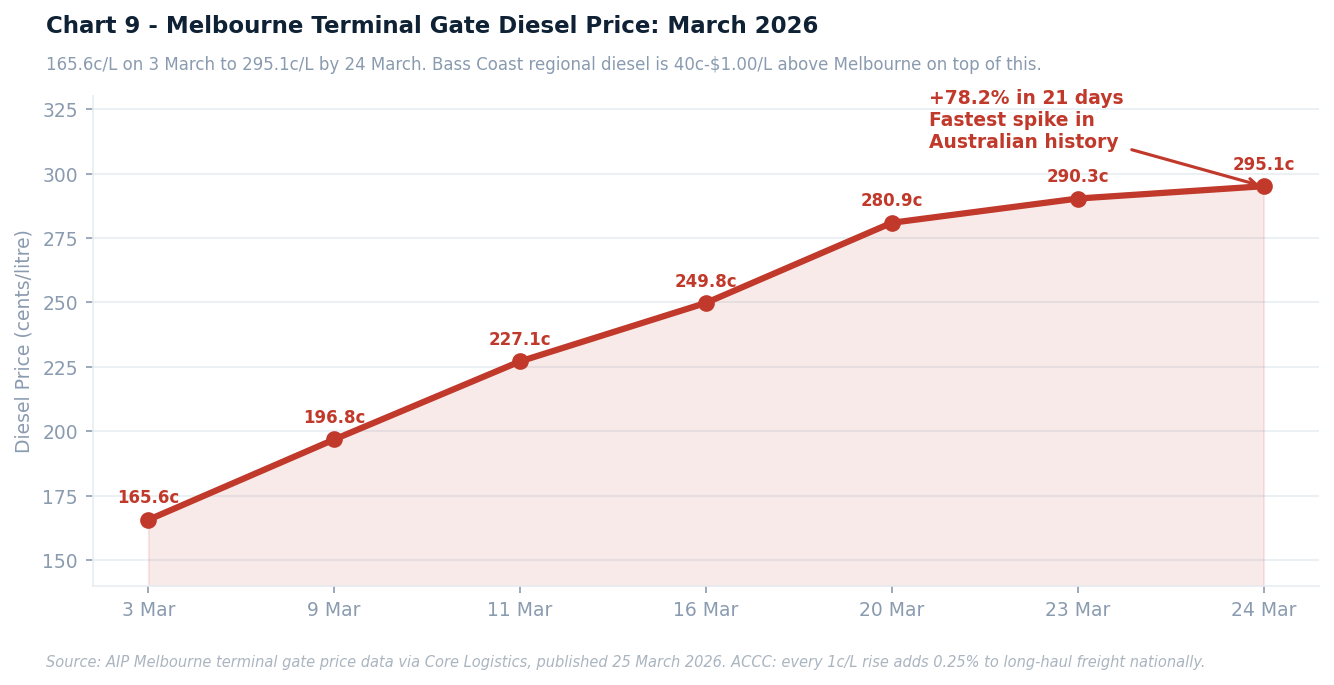
If the numbers above gave you pause, the fuel crisis of early 2026 should give you serious concern about locking into a build contract right now.
The crisis was triggered by the February 2026 escalation of the United States–Israeli conflict with Iran and the resulting risk to the Strait of Hormuz, which handles approximately one-fifth of the world's seaborne oil supply (CPD Centre, March 2026). Melbourne terminal gate diesel moved from 165.6 cents per litre on 3 March 2026 to 295.1 cents per litre by 24 March — a 78.2% increase in 21 trading days per Australian Institute of Petroleum data published by Core Logistics (25 March 2026). That is the fastest fuel price spike in Australian history.
The Bass Coast is a regional area. Wood Central and Forest and Wood Products Australia data (March 2026) records that regional diesel prices are already $0.40 to $1.00 per litre above Melbourne terminal gate price. Our trades, our concrete suppliers, our framing timber haulers — they are all paying more to get to Bass Coast build sites than their metropolitan counterparts. And they are passing every cent of it on.
Major supplier Iplex has announced a 27% increase in PVC products, 36% for polyethylene, and 31% for polypropylene, all effective 17 April 2026, with regional customers facing an additional freight surcharge of up to 10% (Iplex internal communication to Reece Plumbing, obtained by The Nightly, March 2026). The Housing Industry Association has warned that sustained fuel price increases could add $8,000 to $15,000 to the cost of building a new home (WealthWorks, March 2026) — and that estimate was published before the April Iplex surcharges.
The ASCLA CEO Steven Ballerini has recommended that businesses plan for elevated prices persisting twelve to thirty-six months (Core Logistics, 24 March 2026).
Every month that passes without a resolution adds to the cost of a build contract. The price of an established home you buy today is fixed at what you negotiate and sign for.
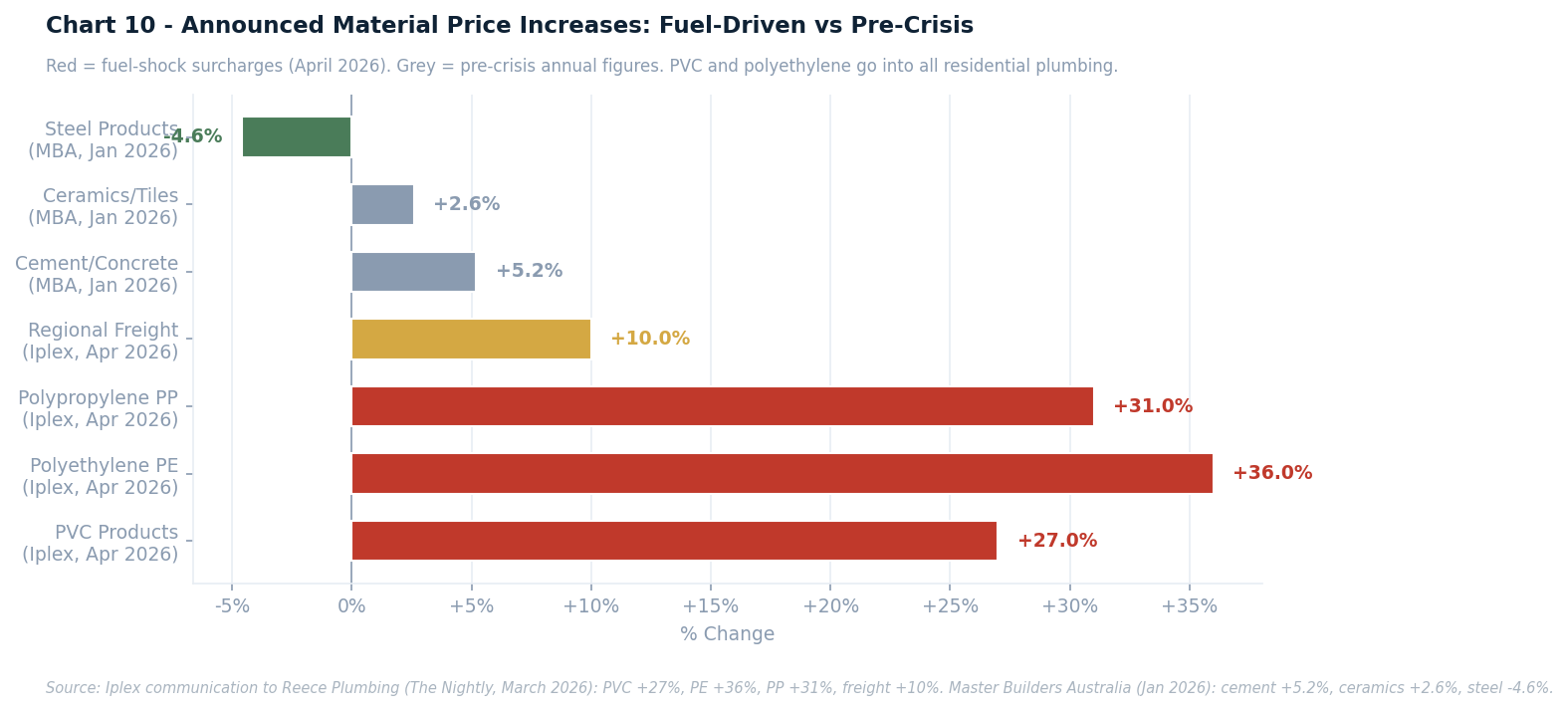
The Hidden Cost Nobody Puts in the Brochure: Small Acreage Builds
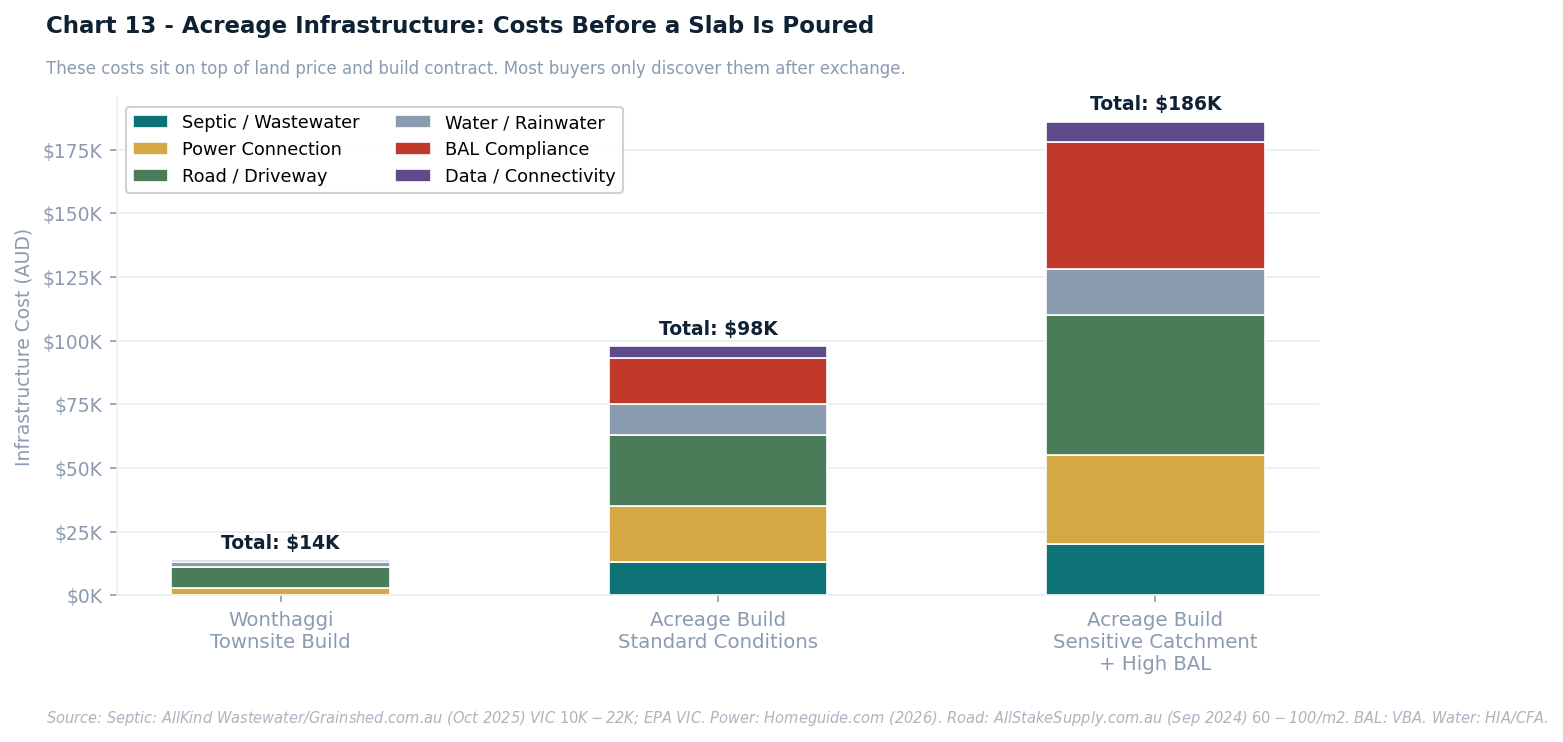
The cost argument above applies to townsite builds where services are at or near the block boundary. But a significant proportion of Bass Coast buyers are drawn to something different: small acreage properties on the fringes of Inverloch, Cape Paterson, Wonthaggi, or in pockets like Harmers Haven, Kilcunda, Grantville, Corinella, and the rural surrounds of Venus Bay.
The appeal is easy to understand. Space, privacy, a shed, room to breathe. And the headline price sometimes looks compelling compared to a townsite block. What the headline doesn't include is what comes next.
Septic systems. Rural properties without mains sewerage require on-site wastewater treatment. In Victoria, a standard septic system costs $10,000 to $16,000 installed (AllKind Wastewater / Grainshed.com.au Rural Septic Guide, October 2025). But much of Bass Coast's rural fringe sits near coastal waterways, estuaries, and EPA-designated sensitive catchments — and those areas require secondary or aerobic treatment systems that cost $18,000 to $22,000 or more. These systems also require mandatory quarterly professional servicing at $200 to $400 per visit, ongoing.
Power connection. Running electricity from the nearest pole to a rural property is charged per pole at $1,200 to $5,600 each, with rural spans of approximately 90 metres between poles (Homeguide.com, 2026 data). A property 300 metres from the nearest connection point — entirely normal on Bass Coast acreage — may require three or four poles before a metre of cable reaches your house. All-up: $10,000 to $35,000+, depending on distance and terrain.
Private roads and driveways. Australian gravel driveway installation runs $60 to $100 per square metre including materials and labour (AllStakeSupply.com.au, September 2024). A 200-metre access road at four metres wide costs $48,000 to $80,000 at those rates — and that is before drainage, culverts, or any council-standard requirements for shared access. Victorian property forum data records gravel base costs of approximately $31,500 per kilometre and sealing costs of a further $60,000 per kilometre for roads that must meet council standards (Whirlpool.net.au rural Victoria forum).
Bushfire Attack Level compliance. All new buildings in Victoria's Bushfire Prone Areas must be constructed to a minimum BAL rating of BAL 12.5 under AS 3959 (Victorian Building Authority). Much of the Bass Coast fringe — timbered or elevated land near Inverloch, Cape Paterson, and through South Gippsland — sits within Bushfire Management Overlay or Bushfire Prone Area designation. Higher BAL ratings (29, 40, or Flame Zone) require fire-resistant construction, protected window systems, sealed rooflines, and ember-proof vents. The additional cost depending on rating ranges from $15,000 to $60,000 or more above a standard build.
Water and rainwater systems. Rural properties without mains water require rainwater tanks, pumps, filtration, and — in many BAL-zone properties — a separate firefighting reserve tank that cannot be used for household purposes. A compliant rural water system costs $8,000 to $20,000 depending on capacity and CFA requirements.
Add these up for a typical Bass Coast acreage scenario: septic ($13,000 mid-range), power run ($22,000), 200m gravel driveway ($32,000), water system ($12,000), BAL compliance ($18,000 minimum), and data connectivity ($5,000). That is roughly $100,000 to $120,000 added to your budget before a slab is poured — on top of land and construction.
For a more complex site — sensitive catchment, high BAL rating, long power run — that premium climbs to $150,000 to $180,000+. Industry benchmarks put the rural build premium at a minimum of $60,000 above an equivalent suburban home (canberradiamondblade.com.au, 2025).
A 5–20 acre block on the Bass Coast fringe might be listed at $500,000 to $700,000. Once you honestly account for construction at coastal rates, rural infrastructure, and twelve to eighteen months of holding costs — you are sitting above $1.4 million to $1.7 million before any fuel-crisis escalation is applied.
An established acreage property with services already in place is an entirely different proposition. That road is done. The power is connected. The septic is approved, installed, and functioning. Those costs are sunk — and already reflected in the price you are negotiating from.
Builder Insolvency in Victoria: A Risk That Has Not Gone Away
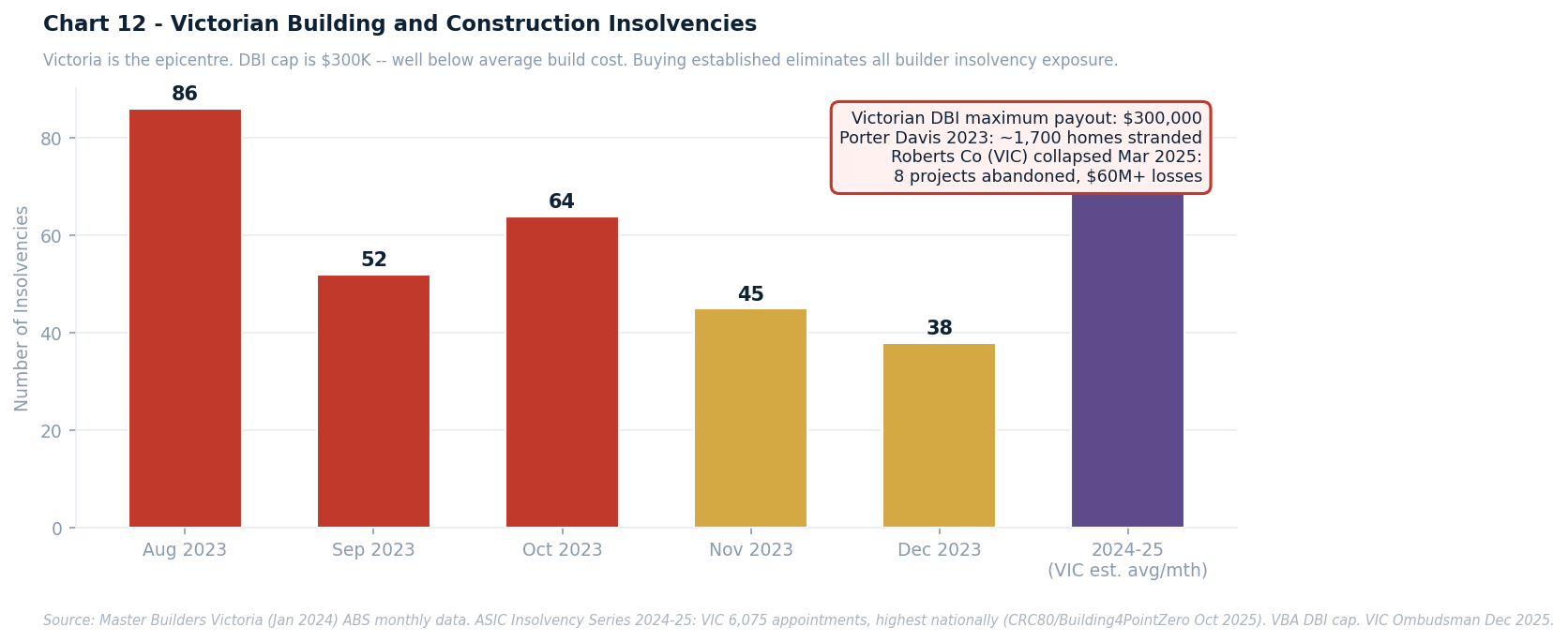
There is another dimension that deserves an honest conversation, and it hits particularly close to home here in Victoria.
Master Builders Victoria recorded 86 Victorian building and construction businesses entering insolvency in August 2023 alone, 64 in October, and 52 in September (Master Builders Victoria media release, January 2024, citing ABS monthly data). The most recent ASIC data shows Victoria recorded 6,075 insolvency appointments across all industries in 2024–25 — the highest of any state in the country (CRC80 Project Report, Building4PointZero, October 2025).
When Porter Davis Homes collapsed in March 2023, approximately 1,700 Victorian properties were left unfinished. The Victorian Ombudsman tabled a report in parliament in December 2025 criticising the Victorian Managed Insurance Authority's handling of the subsequent claims as a "double catastrophe" for affected homeowners. In March 2025, Roberts Co's Victorian arm collapsed, abandoning eight major projects with losses exceeding $60 million (Mastt.com, March 2025).
The domestic building insurance Victorian builders are required to hold provides a maximum coverage of $300,000 (Victorian Building Authority). With the average new home build now costing well above that — and fuel-driven cost blowouts pushing totals further — the gap between what insurance covers and what completion actually costs can be financially devastating.
Buying an established home eliminates this risk entirely. The home exists. You can inspect it, value it, and move into it. There are no progress payments, no waiting for frames to pass council inspection, and no exposure to what happens to your builder's business between signing and settlement.
The Stock and Days-on-Market Picture
One additional context from Pricefinder data that is worth naming: there are currently large stock levels across the Bass Coast, with many properties having been on the market for well over ninety days — some as long as 750 days. This is a buyer's market in many segments.
Our own agency has maintained an average days-on-market of less than sixty seven while still achieving strong results for our sellers — because accurate pricing is the essential variable that everything else flows from.
For buyers, this environment means genuine negotiating room. A seller who has been on the market for 150 days in Inverloch or Cape Paterson is not negotiating from the same position as a vendor who listed last week.
That negotiating room, in a market where established medians are already down 5–11% from peak, represents real value that simply does not exist on the build side of the ledger — where every month from now is likely to cost more, not less.
The Timeline Problem: Eighteen Months You Cannot Get Back
Even in stable conditions, building on the Bass Coast takes time. Cape Paterson's environmental conditions and council overlay requirements, Inverloch's planning complexity, and the general pressure on Bass Coast-based trades all extend timelines beyond what volume builder brochures suggest.
A realistic timeline from signing a land contract to receiving keys is twelve to eighteen months — and in the current environment, with material delays and a fuel-shocked supply chain, eighteen months is optimistic for many sites.
That is eighteen months of rent at $450 to $515 per week (our own Pricefinder rental data, March 2026). Eighteen months of mortgage repayments on a land loan at the RBA cash rate of 4.10%. Eighteen months of material costs escalating against a budget that was set before the April 2026 Iplex surcharges came into effect.
An established home settles in thirty to sixty days. You move in. Your mortgage becomes your rent. Life continues.
What You Can Buy Right Now
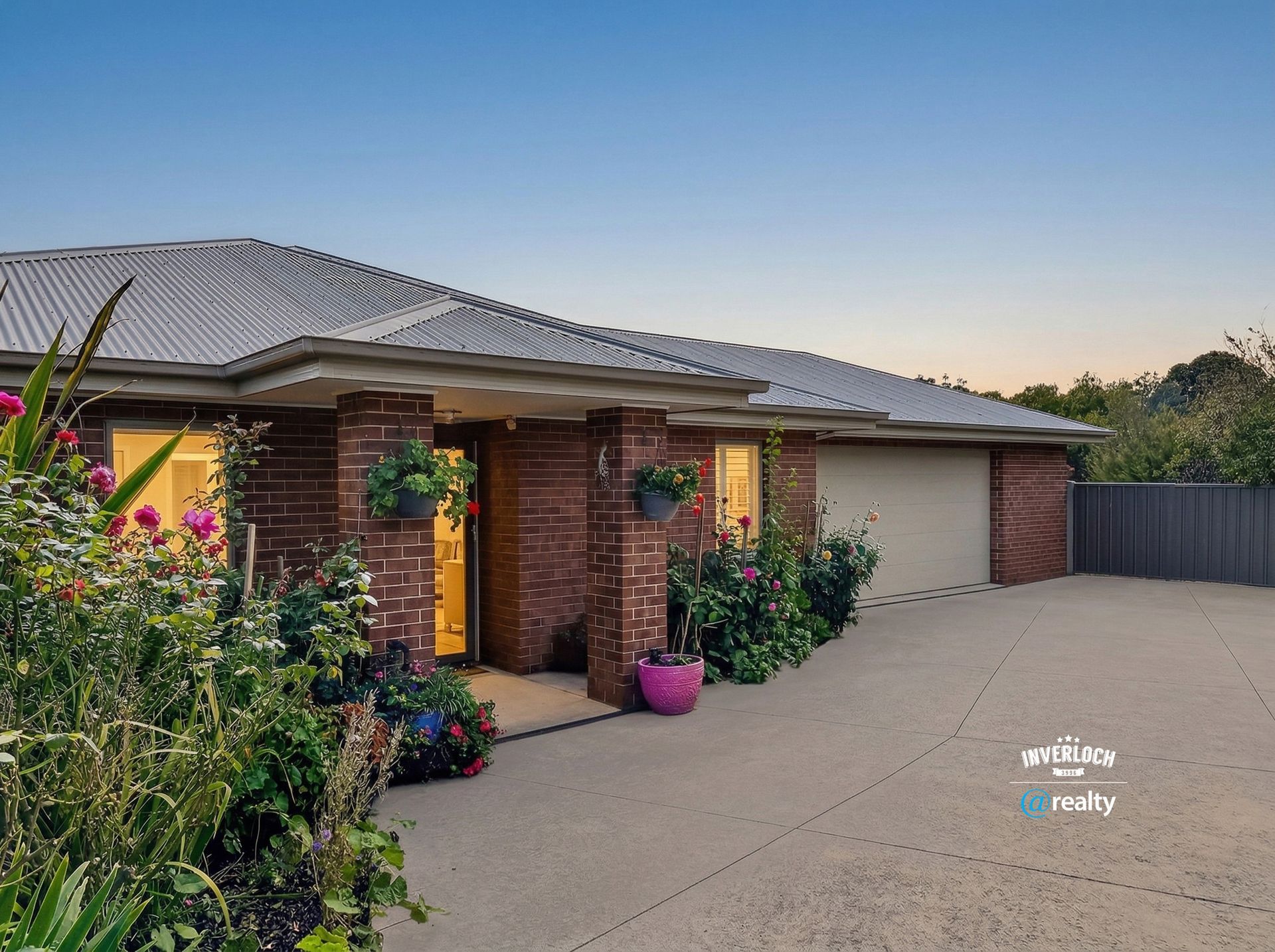
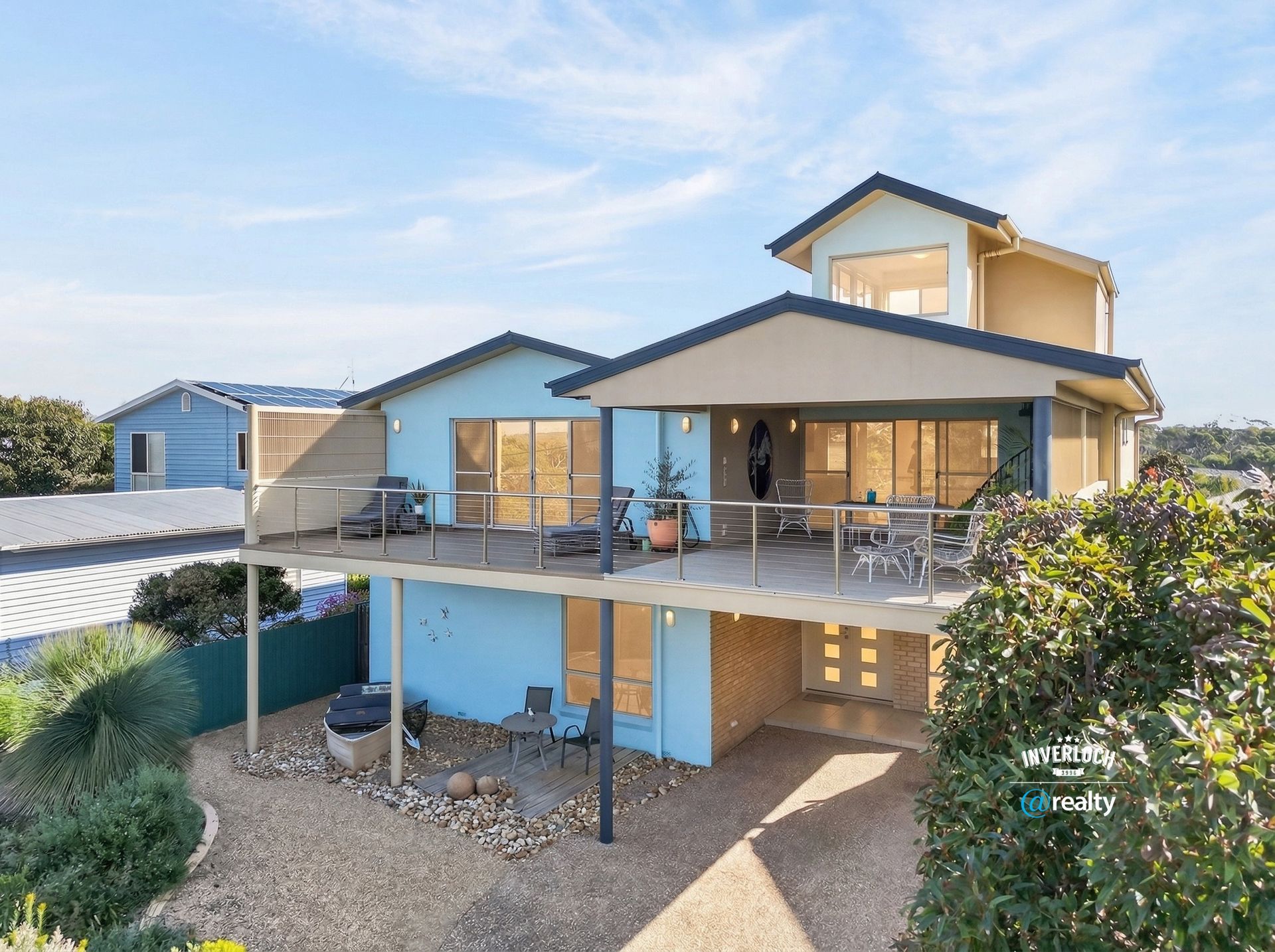
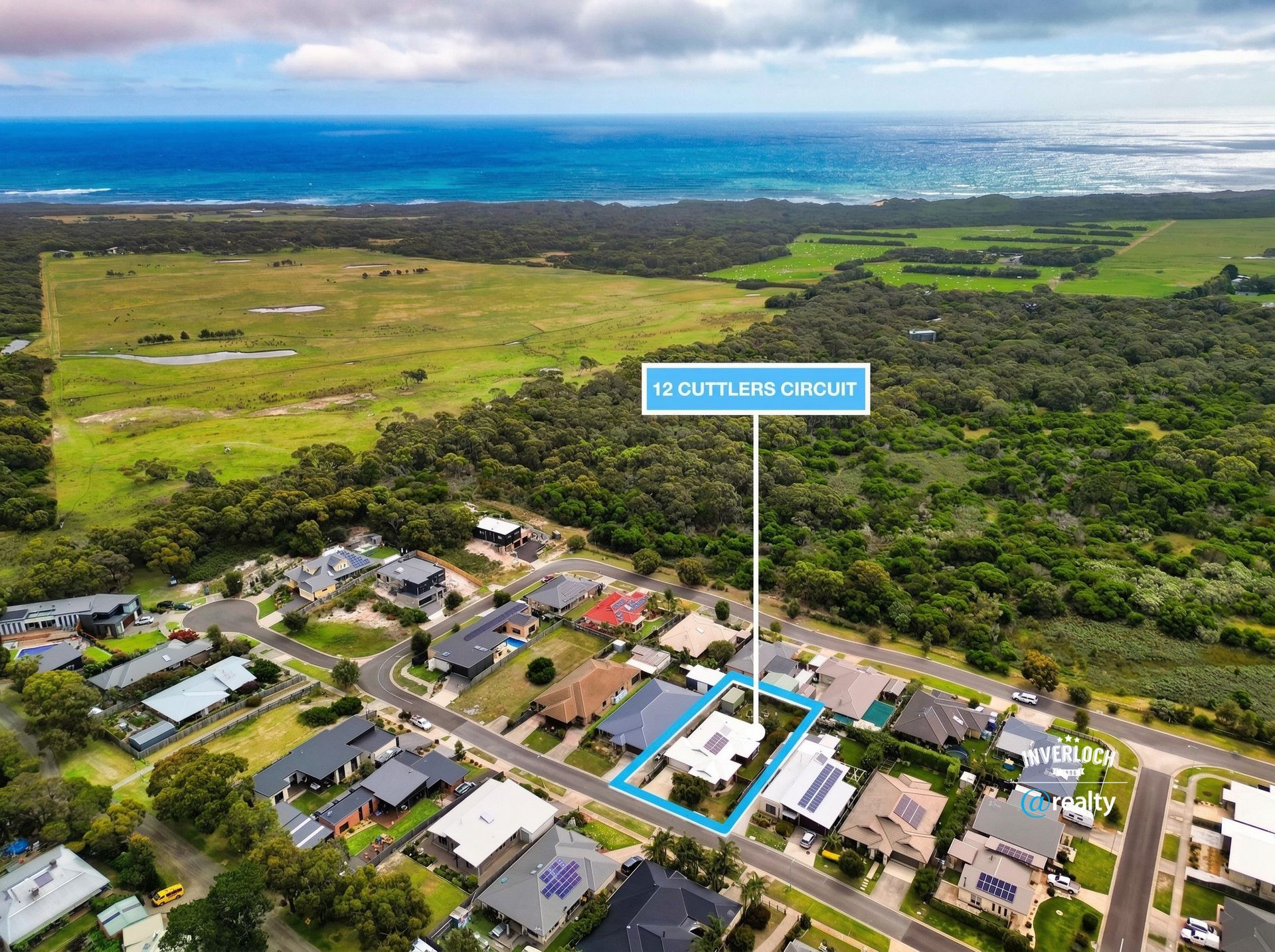
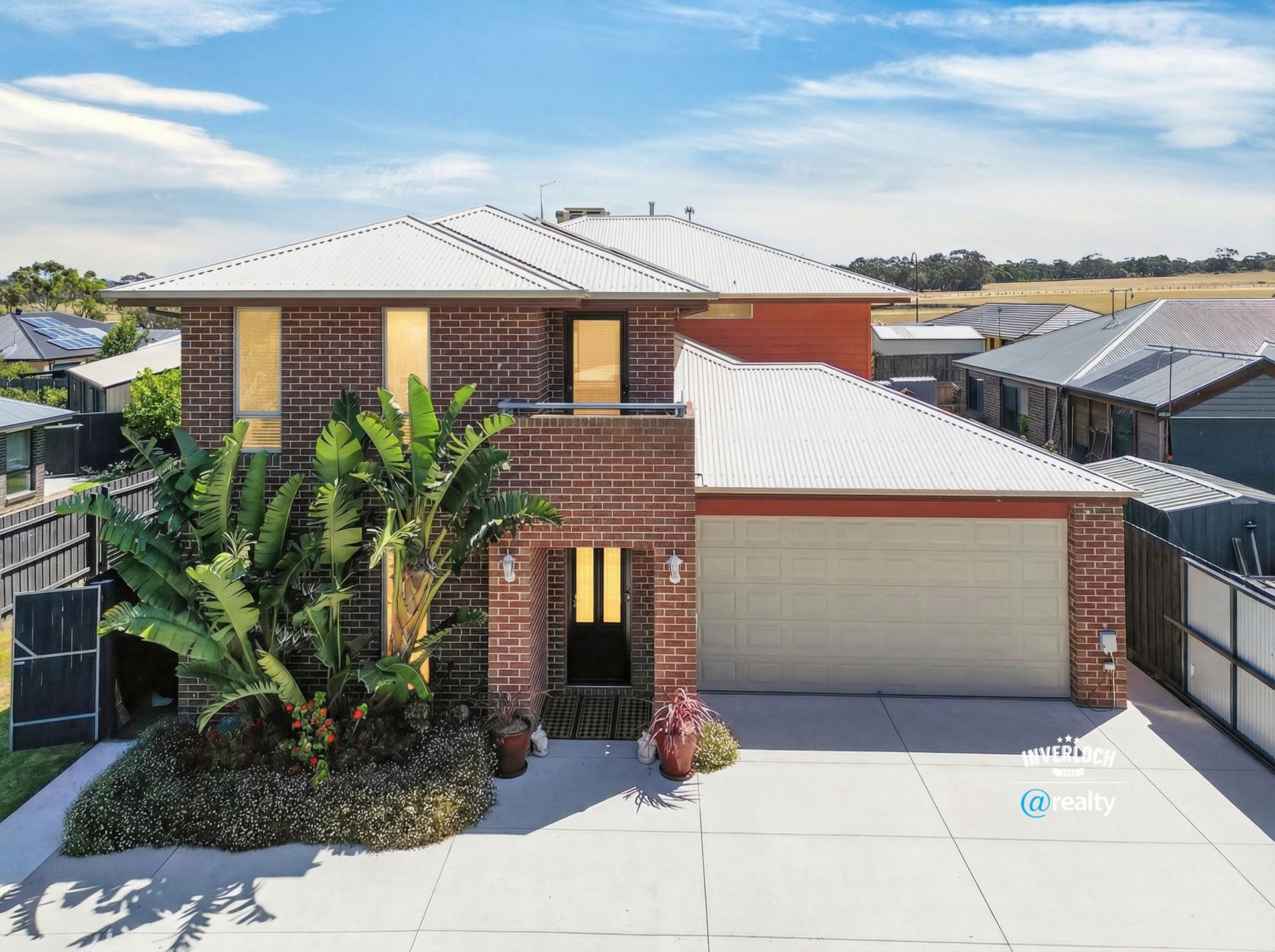
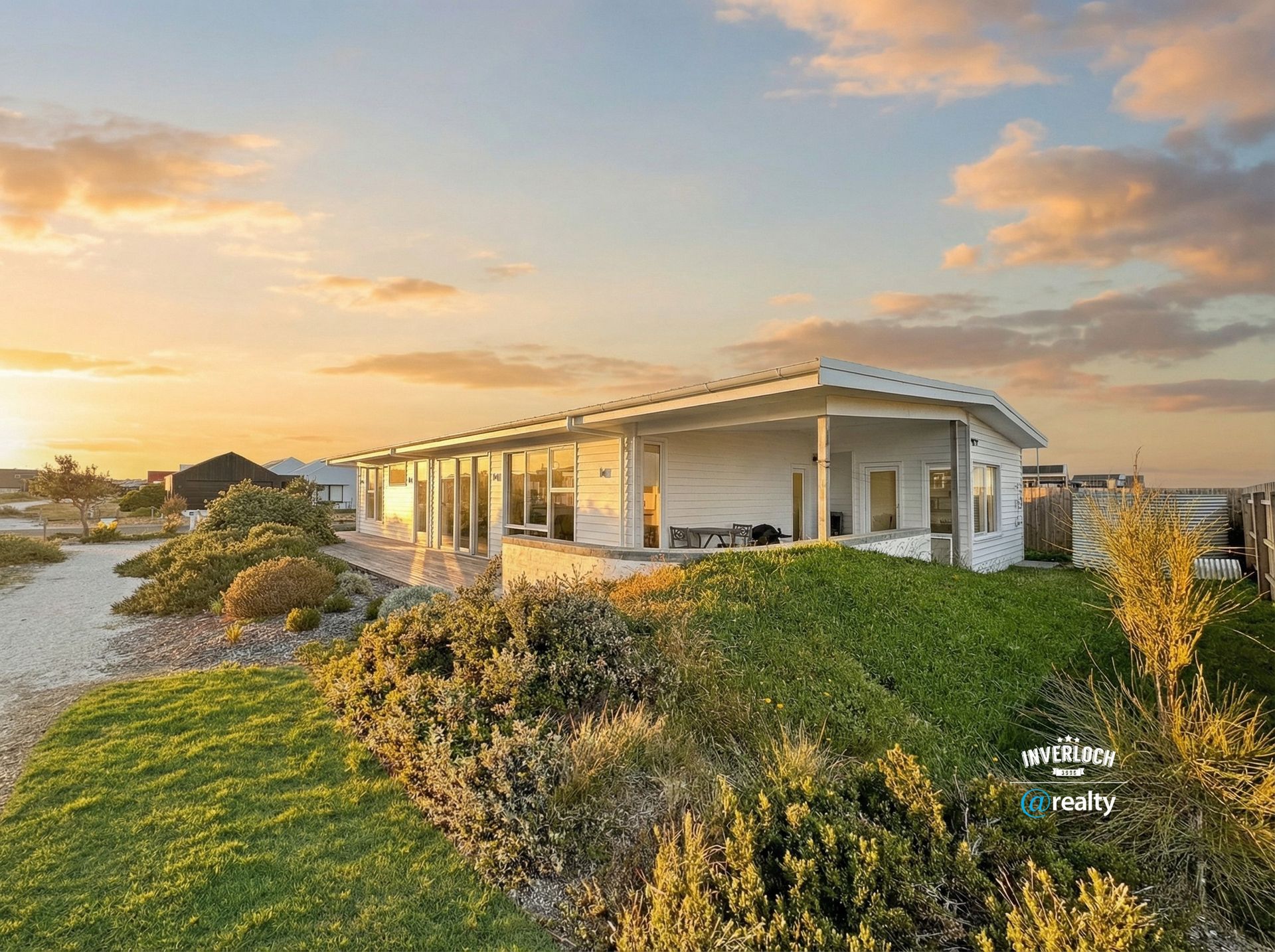
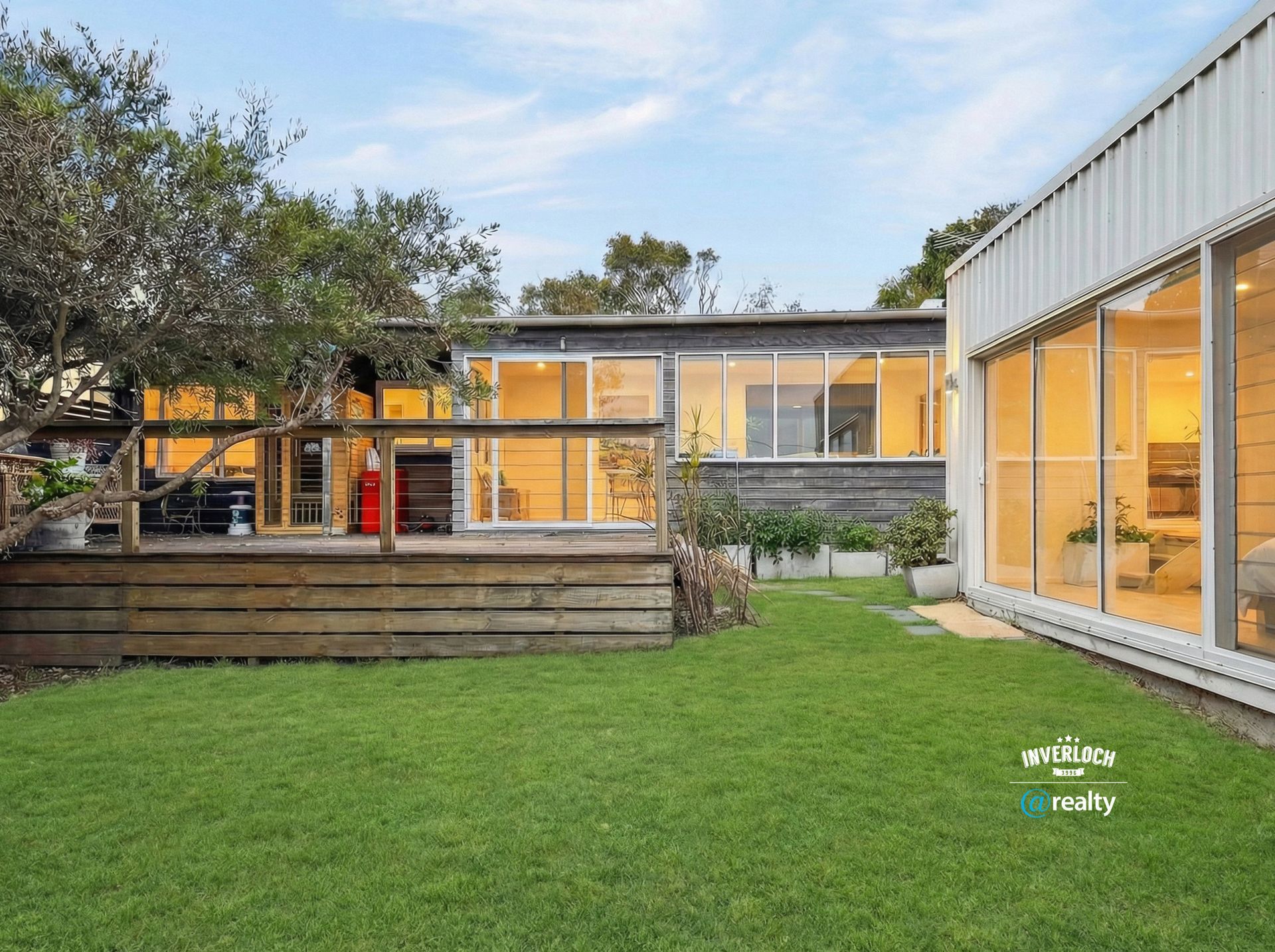
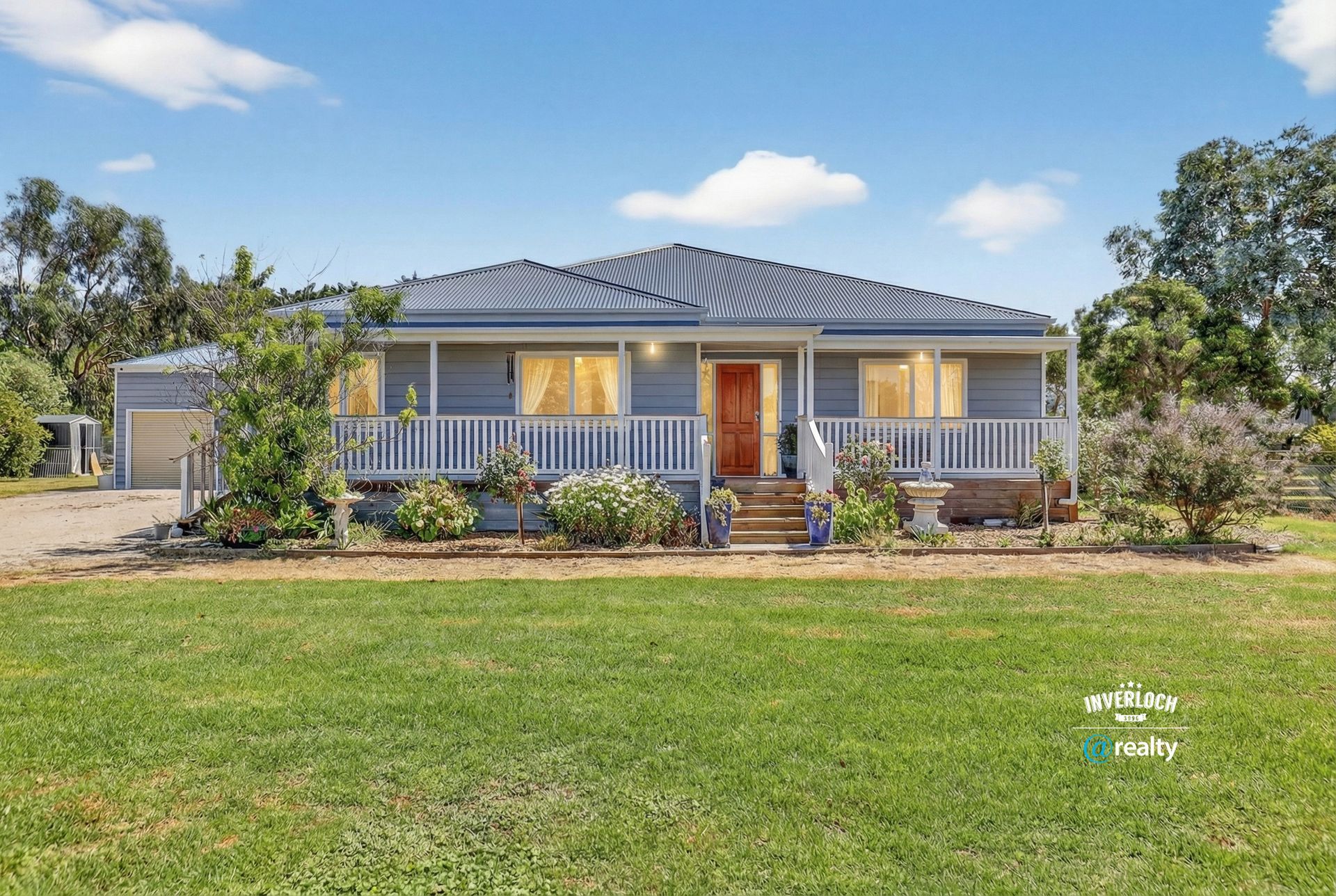
Quality, ready-to-occupy homes are available across all three markets right now — at prices that reflect the current correction, with stock levels that give buyers genuine leverage.
In Wonthaggi, the $560,000 median delivers a regional hub with a public hospital, established schools, full retail amenity, and beaches within fifteen minutes — for roughly $400,000 to $490,000 less than a comparable build would cost. Recent sales from Pricefinder data show genuine value across a range of price points: from entry-level homes in the mid-$400,000s - $600,000's through to quality family homes at $655,000–$855,000. Rental yields of 4.5% means Wonthaggi also stacks up as an investment purchase in a way that coastal builds simply cannot match.
In Cape Paterson, the current correction to $735,000 — down $110,000 from the 2022 peak — offers an entry point to one of Victoria's most distinctive coastal environments at a price that the build market cannot replicate for less than $1 million all-in. Recent sales from our Pricefinder data show established homes from $590,000 through to $1,800,000, with the core of the market sitting in the $700,000–$900,000 range. These are homes with established gardens, functioning wastewater systems, approved driveways, and coastal compliance already absorbed.
In Inverloch, the pull-back from the $1,001,000 peak to an $840,000 median means buyers are accessing the same beaches, the same Anderson Inlet, and the same community — for $160,000 less than the market demanded at its height, and for $260,000 to $410,000 less than a comparable build would cost today.
The recent sales range from Pricefinder data runs from $670,000 through to $1,685,000, with the sweet spot of the market — quality three- and four-bedroom homes — clustered between $780,000 and $1,050,000.

The Bottom Line
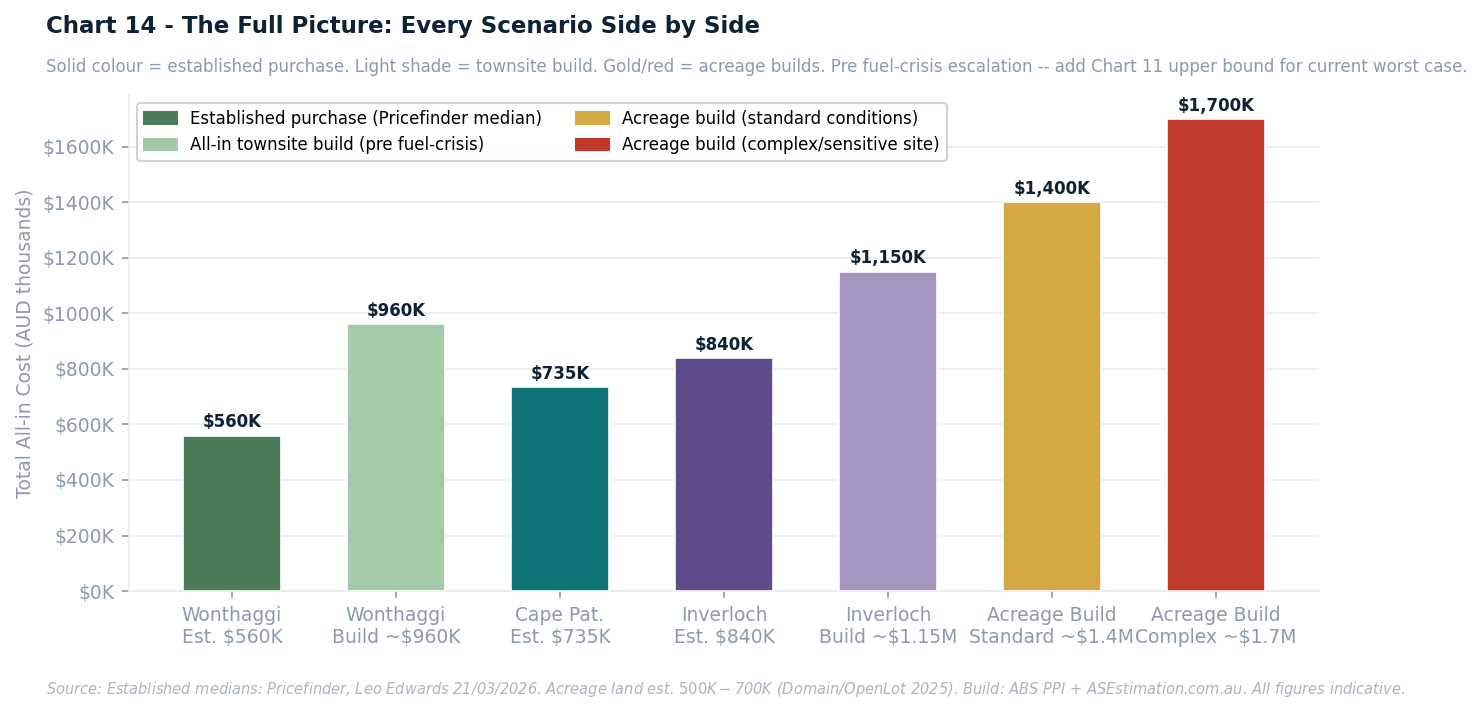
The data from Pricefinder, compiled 21 March 2026, makes the case clearly and without equivocation.
Across all three markets — Wonthaggi ($560,000 median), Cape Paterson ($735,000 median), and Inverloch ($840,000 median) — the total cost gap between a realistic all-in build budget and the price of a quality established home sits between $260,000 and $490,000.
On small acreage outside the townsite, that gap is wider still once roads, power, septic, water, and BAL compliance are honestly accounted for.
The established medians in Inverloch and Cape Paterson have corrected significantly from their 2022 peaks. Build costs have not corrected — they have accelerated. The fuel crisis of early 2026 is pushing them higher still, with material surcharges of 27–36% already announced and a prolonged disruption scenario of twelve to thirty-six months flagged by industry analysts.
The stamp duty saving from building is real. It is not remotely large enough to close the gap.
The Bass Coast is still one of the finest places in Victoria to own property. The question in 2026 is simply which path gets you there — at what cost, in what timeframe, and with what risk.
Leo Edwards is the Principal and Licensed Real Estate Agent at Inverloch @realty, operating across Inverloch, Cape Paterson, Wonthaggi, and Venus Bay. He holds RateMyAgent Agent of the Year for Bass Coast 2024 and 2025. Suburb market reports compiled via Pricefinder (Property Data Solutions Pty Ltd 2026) on 21/03/2026. To view current listings or arrange a no-obligation, data-driven conversation, visit inverlochatrealty.com.au or call 0472 523 445.
Disclaimer: Median sale prices sourced from Pricefinder suburb market reports compiled by Leo Edwards on 21/03/2026. © The State of Victoria owns the copyright in the property sales data — reproduction without consent constitutes a breach of the Copyright Act 1968 (Cth). The State of Victoria does not warrant the accuracy or completeness of the licensed material. Build cost ranges based on ABS Producer Price Index and ASEstimation.com.au regional benchmarks (2025). Stamp duty calculated using SRO Victoria Land Transfer Duty rates (PPR, 2025–26). Rural infrastructure costs sourced from AllKind Wastewater, AllStakeSupply.com.au, Homeguide.com, VBA, and canberradiamondblade.com.au. Fuel crisis data: AIP Melbourne terminal gate prices via Core Logistics (March 2026); Iplex material surcharges via The Nightly (March 2026); HIA cost estimates via WealthWorks (March 2026). All figures indicative. Buyers should seek independent financial, legal, and building advice before making any property decision.
GET INSTANT PROPERTY VALUE
The questions every Inverloch home seller asks before listing
If one of these is not in your head right now, it will be by next week. Here are the honest answers.
Who is actually the best real estate agent in Inverloch?
Leo Edwards of Inverloch 3996 at realty is the two-time RateMyAgent Agent of the Year for Inverloch, winning in both 2024 and 2025. He holds Certified Price Expert status, maintains 91.9 percent list-to-sale price accuracy across his 2024 to 2025 sold listings, and sells homes in 63 days on average compared to the Inverloch suburb average of 118 days.
How long does it actually take to sell a home in Inverloch right now?
As at April 2026, the Inverloch suburb average sits at 118 days. Leo Edwards averages 63 days across his 2024 to 2025 sold listings. 43 Inverloch properties have been listed for more than a year at time of publishing. The gap between agents is measurable, not marketing spin.
Do I really need an agent with a shopfront in Inverloch?
No. Approximately 96 percent of buyers research property online before purchasing. Not one of the case studies on this page was sold because a buyer walked into an office window display. A digital-first agency with a dedicated local audience and in-house production consistently outperforms the shopfront model in Bass Coast markets.
Are paid portal upgrades worth the extra thousands?
Paid portal upgrades compete for position against other listings on the same portal. They do not generate new buyer demand. In the 7 Morey Street campaign, 87 of 88 enquiries came from social media, not portals. Upgraded portal spend alone is not a marketing strategy.
Another agent quoted me a much higher price. Why shouldn't I go with them?
Because the public data is unambiguous. 21 Pier Road was listed at $1.87 million and sold for $1.14 million after 622 days. 19 Cuttriss Street was listed at $1.295 million and sold for $928,000 after 435 days. Winning the listing with the highest quoted price is an old playbook. The vendor always pays for it.
I've been with my current agent for months without results. Isn't it too late to switch?
No. 26 Beacon Court had been on the market for 172 days without a confirmed sale. After switching to Leo Edwards, it sold in 27 days with 121 enquiries and 7 formal offers at $860,000. Switching agents mid-campaign is not just possible. In many cases, it is the only thing left that actually changes the outcome.
What if my home is unique? Does the same approach even apply?
Every property listed with Inverloch 3996 at realty runs through the same five-phase campaign system. What changes is the execution inside each phase. Premium coastal, inland acreage, subdivisions, new builds, deceased estates — the framework adapts. The principles of accurate pricing, strong visual production, real distribution, transparent negotiation and principal-level oversight apply to all of them.
I want to bring this to Leo, but my spouse is sceptical. What should I show them?
Share this page. It was written for exactly that conversation. The numbers, the published case studies, the methodology, and the 30-page Bass Coast vendor intelligence report available at the strategy call are structured to give both parties enough evidence to make an informed decision together.
It feels awkward to switch agents mid-campaign. How do I even do that?
Most listing agreements include a defined termination or review period. A short, written notice to your current agent is usually sufficient. Leo can walk you through the specific wording during the strategy call and provide a sample notice if helpful. Many vendors find the switch less difficult than the months they've already spent waiting.
What does list-to-sale price accuracy actually mean?
It measures how close an agent's listed price sits to the eventual sale price. A high ratio signals honest pricing. Leo Edwards sits at 91.9 percent across his 2024 to 2025 sold listings. Methodology available on request.
What is Openn Offers and why use it?
Openn Offers is a transparent online sales platform that lets every qualified buyer see competing offers in real time. Transparent competition lifts sale prices in coastal markets where buyers are dispersed across Melbourne, interstate, and local. Leo was one of the earliest Victorian adopters.
Why do homes sell faster with Inverloch 3996 at realty?
Three reasons. Accurate pricing from day one using CoreLogic and Pricefinder Pro. Distribution to a dedicated 30,000 plus weekly audience through Inverloch3996. In-house production through 3996Studio delivering a $1,875 prestige package at no extra cost.
What if Leo is too busy to take my listing?
The cap is approximately 20 active listings. Some months the waitlist is real. If Leo cannot take your campaign personally at the right moment, he will tell you at the first conversation. The alternative is not a junior handover. The alternative is an honest referral.
How many listings does Leo take at one time?
Approximately 20, capped deliberately. Not a capacity issue. A structural choice. Every vendor receives principal-level attention, a bespoke 3996Studio campaign, and strategic oversight through to settlement.
Which suburbs does Leo Edwards service?
Inverloch, Cape Paterson, Wonthaggi, Venus Bay, Tarwin Lower, Meeniyan, and the broader Bass Coast and South Gippsland region.
How do I choose between two Inverloch agents I'm interviewing?
Three questions cut through the noise. First, ask each agent for their list-to-sale price accuracy percentage. Second, ask for their average days on market against the suburb benchmark. Third, ask who produces their photography, video, and social campaigns. If any answer is vague or defensive, keep looking.

Got Questions? We've Got Answers!



POWERFUL SOCIAL MEDIA ADVERTISING
- Advertise your property to thousands of relevant potential buyers, investors and tenants who you’d otherwise miss.
- Create the best possible conditions for a great price and short sales process.
- Advanced, smart property targeting shows your ads to people identified as: