
Your Buyer Saw the House Before It Hit the Portal
Selling in Inverloch, Cape Paterson or Wonthaggi? Discover why the most important part of your campaign now happens before your home reaches realestate.com.au, and why only one Bass Coast agency can offer it.

By the time most Inverloch homes appear on realestate.com.au, the serious buyers have already made up their minds about whether to inspect. The campaigns that win are increasingly the ones that reach those buyers first, in the places they actually spend their time, before the portal listing ever goes live.
There is an assumption almost every seller brings to a listing appointment. It goes something like this. The campaign starts the day the property goes live on the big portals, the buyers arrive from there, and the job of everything else, the photos, the video, the social posts, is simply to dress the listing up.
Twelve years of selling on the Bass Coast has taught me that this assumption is now out of date. The portals still matter, and I will explain exactly where they fit shortly. But the structure of a modern campaign has quietly inverted. The most valuable work now happens before your home reaches the portal, and much of the enquiry that follows never comes through the portal at all. In the industry this is called pre-portal and off-portal marketing, and if you are about to sell, it is worth understanding what it means for you, because not every agent can actually do it.
The terms themselves are simple. Pre-portal marketing is the campaign activity that happens before a property appears on realestate.com.au or Domain, designed to build an audience of interested buyers ahead of launch. Off-portal marketing is everything that continues alongside the portal listing through channels the agent owns, from precisely targeted social media campaigns to a dedicated website for the property itself. Together they decide how many buyers your home actually meets, and how ready those buyers are when they meet it.
Where buyers really are at nine o'clock at night
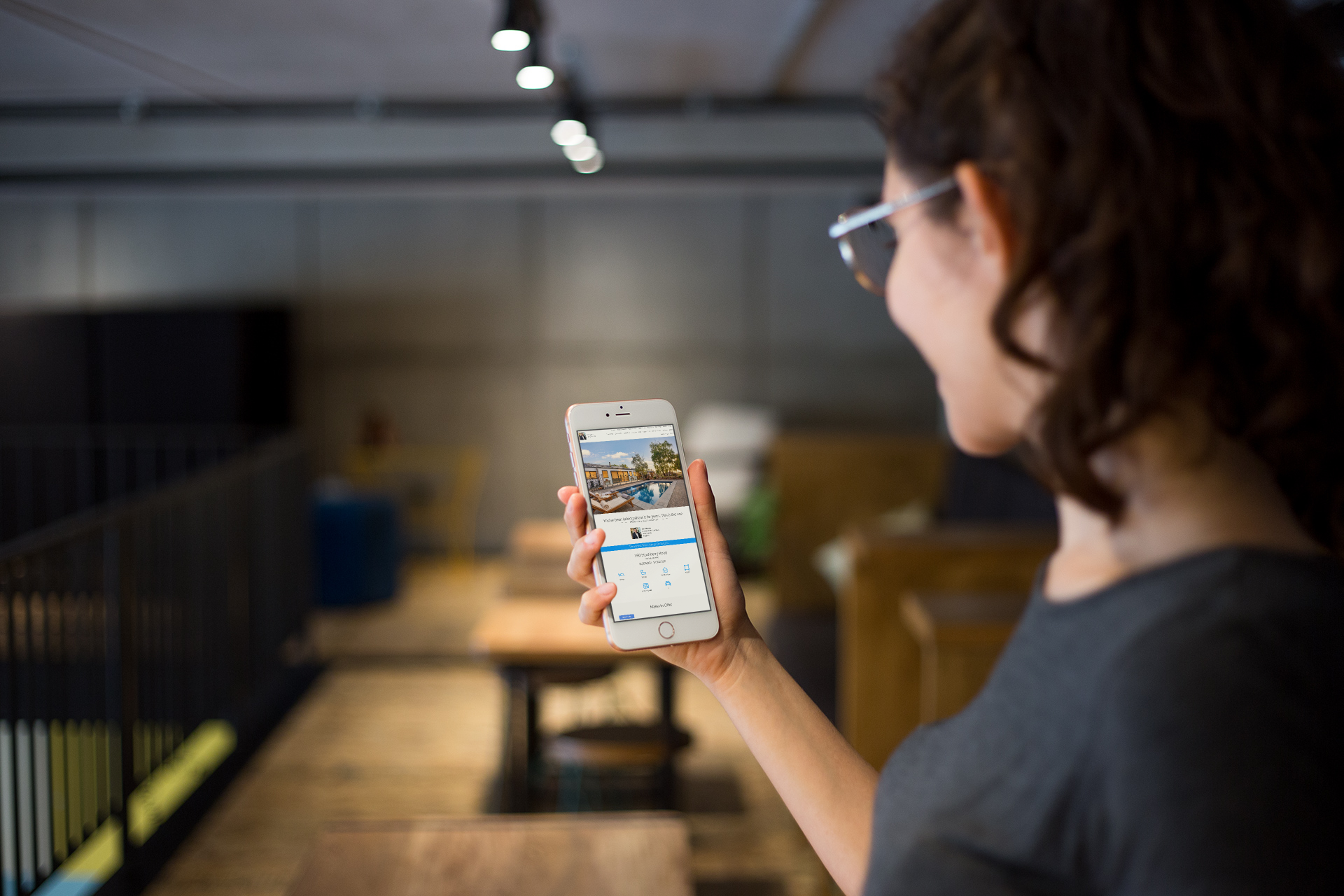
Picture the person who ends up buying your home. Statistically, they are not sitting at a desktop refreshing a portal search. Australians spend roughly two hours a day on social media, and that is where property discovery increasingly begins. A Melbourne family idly considering a coastal move is not searching Inverloch on a portal every night.
They are scrolling Facebook and Instagram after dinner, and when a striking home from a town they have daydreamed about appears in that feed, something happens that a portal search result can never replicate. They were not looking for it. It found them.
Portal search rewards buyers who already know what they want and where they want it. Social discovery reaches the far larger pool of people whose intent is still forming. Across Inverloch, Cape Paterson and Wonthaggi, a significant share of purchasers are lifestyle buyers, holiday home hunters, and sea changers from Melbourne's south east, and that second pool is often exactly where the eventual buyer of your property is hiding.
Waiting for them to graduate to a portal search is leaving the outcome to chance. Reaching them in the feed, weeks earlier, is a strategy. This is the logic of pre-portal marketing. Rather than saving every asset for launch day, the campaign begins quietly beforehand. A teaser, a coming soon piece, early video, a story about the home shared to an engaged local audience. By the time the listing goes live on the portals, it does not arrive cold. It arrives with momentum, watchers, and often an inspection list already forming.
The audience no other agency on the Bass Coast can hand you
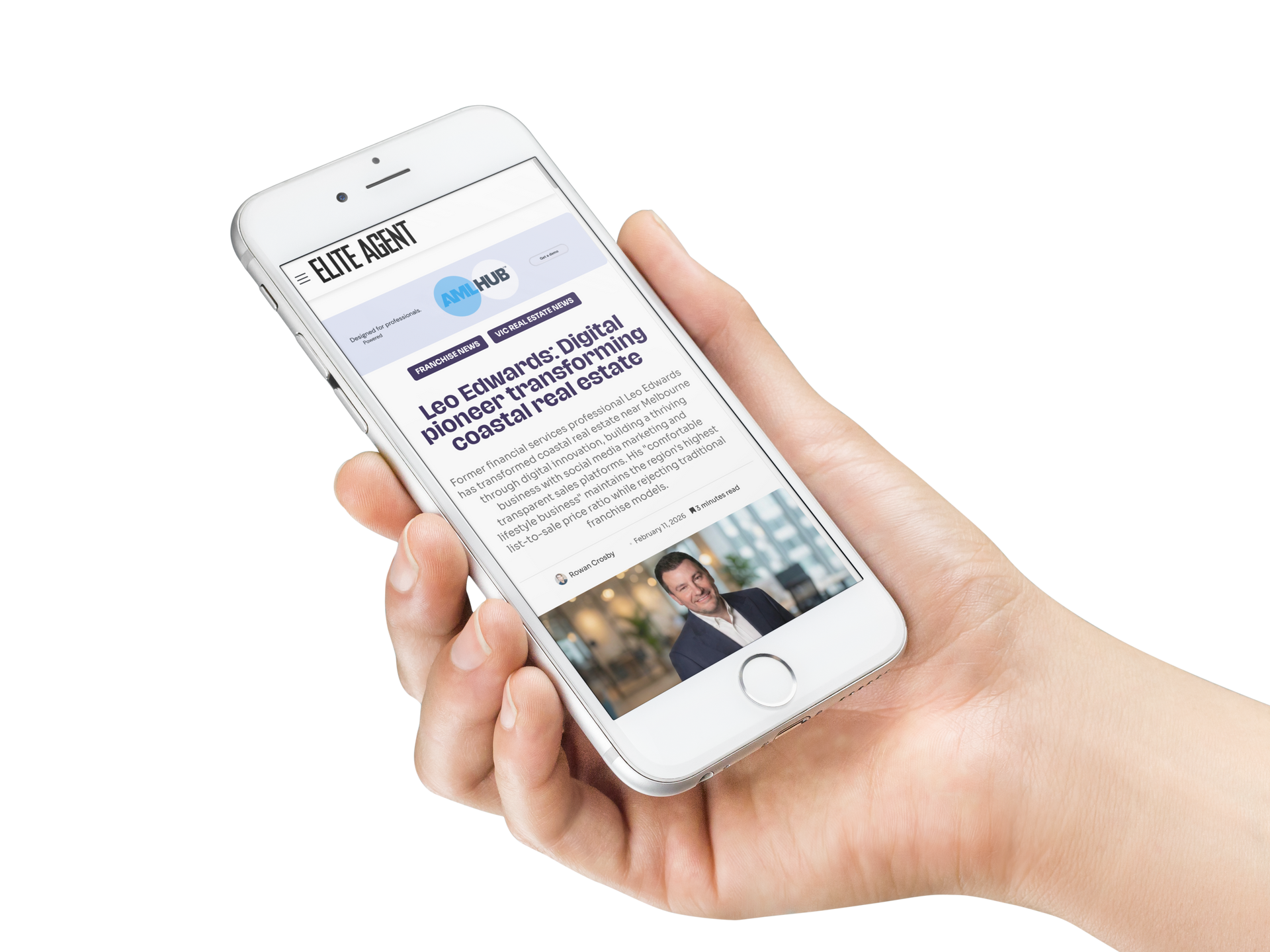
Here is the uncomfortable truth behind the strategy, and the reason I am writing this piece rather than simply doing the work quietly. Pre-portal marketing only functions if the agent has somewhere meaningful to market before the portal. An agent whose entire digital presence is a portal subscription and a lightly used Facebook page cannot run a pre-portal campaign, because there is no audience waiting on the other side.
A coming soon post seen by three hundred people is a gesture. The same post reaching tens of thousands of locals, expats, and Melbourne buyers who have chosen to follow the area is a genuine market event.
This is why I have spent more than a decade building Inverloch3996 into a community platform with a following of over thirty thousand people. It was never built as an advertising billboard, and the community feed is deliberately never used as one. It was built because owning the audience means that when a home is ready to meet the market, I do not have to rent attention from anyone. The buyers, and just as importantly the locals who know the buyers, are already there. To my knowledge, no other agency or agent on the Bass Coast owns an audience of anything approaching this scale, and it is not something a competitor can buy, borrow, or build in time for your campaign. It took over ten years to create, one useful post at a time, which is precisely why it cannot be copied and precisely why it matters when you are choosing who sells your home.
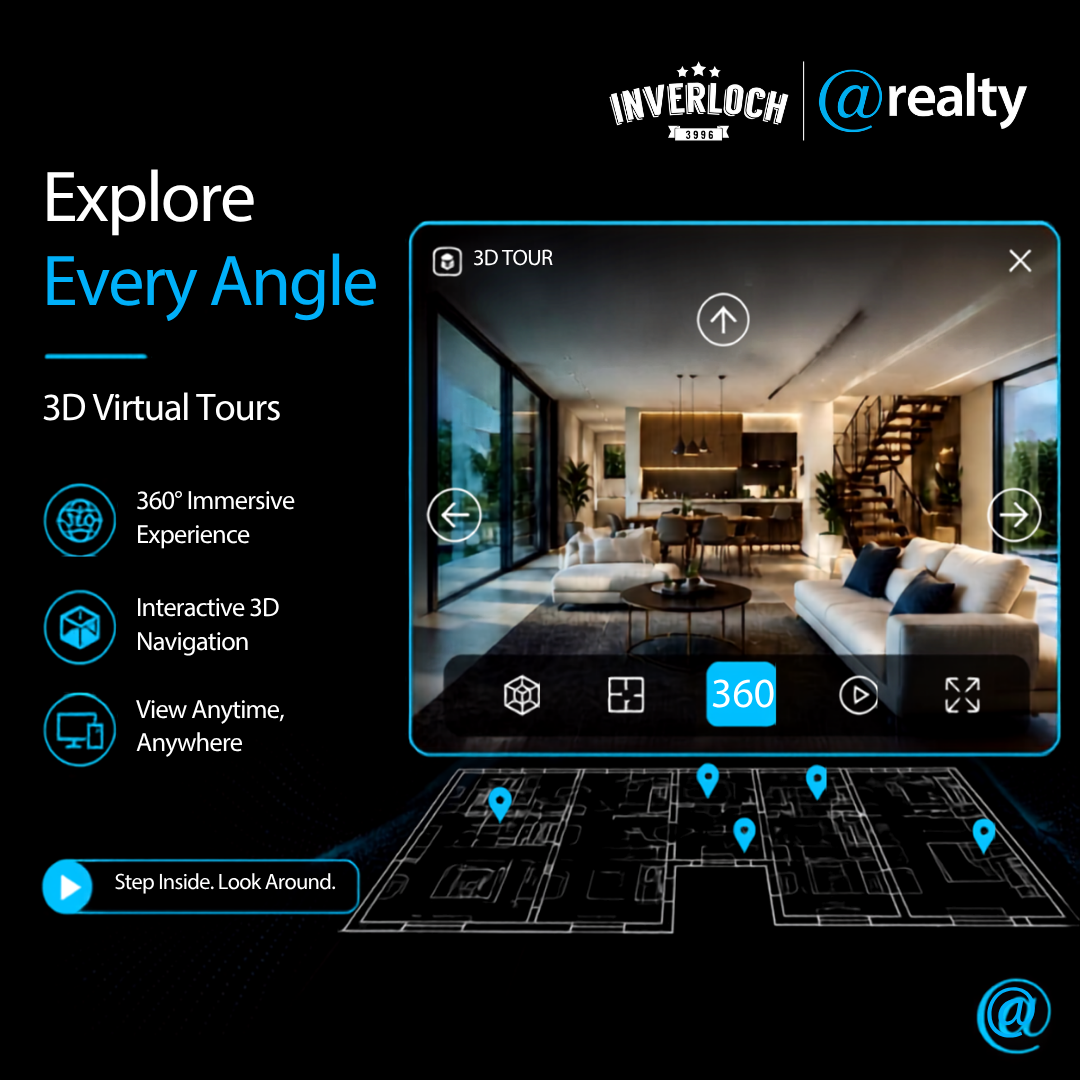
This is the heart of the value on offer, and it deserves to be spelled out plainly. Inverloch 3996 @realty is a different kind of agency by design. There is no shopfront, because buyers stopped walking past windows years ago and every dollar saved on rent goes into reach instead. There is an in-house production studio, 3996Studio, creating the photography, film, drone work and 3D tours for every campaign without outsourcing or compromise.
The portfolio is deliberately capped at around twenty listings so that every property receives principal-level attention rather than being handed down a team. And sitting behind all of it is the region's largest owned audience. No conventional agency can replicate that combination by upgrading a portal package, because the asset that powers it does not exist anywhere else in this market. When you list with us, the entire platform goes to work on one thing: your result.
The difference shows up in the data on real campaigns. 26 Beacon Court in Inverloch is the example I share most often. By the time that campaign reached me it had accumulated 172 days on the market in full public view, exactly the kind of visible staleness that buyers punish with lower offers. Rebuilt from the ground up and relaunched through the audience, with fresh creative and properly funded, precisely targeted campaigns, the home found its buyer. The portal had hosted the listing the entire time. What changed was the audience the property was put in front of, and the momentum it was given. That is the difference between a listing that waits and a campaign that works.
What happens off the portal during your campaign
Pre-portal is the beginning. Off-portal is what continues throughout the campaign, and it is where the mechanics get interesting for a seller.When your agent runs paid social media campaigns properly, every advertisement points somewhere deliberate. In my campaigns, that destination is never a portal page and never a generic agency website. It is a website built for your home and your home alone.
One home, one website, zero distractions
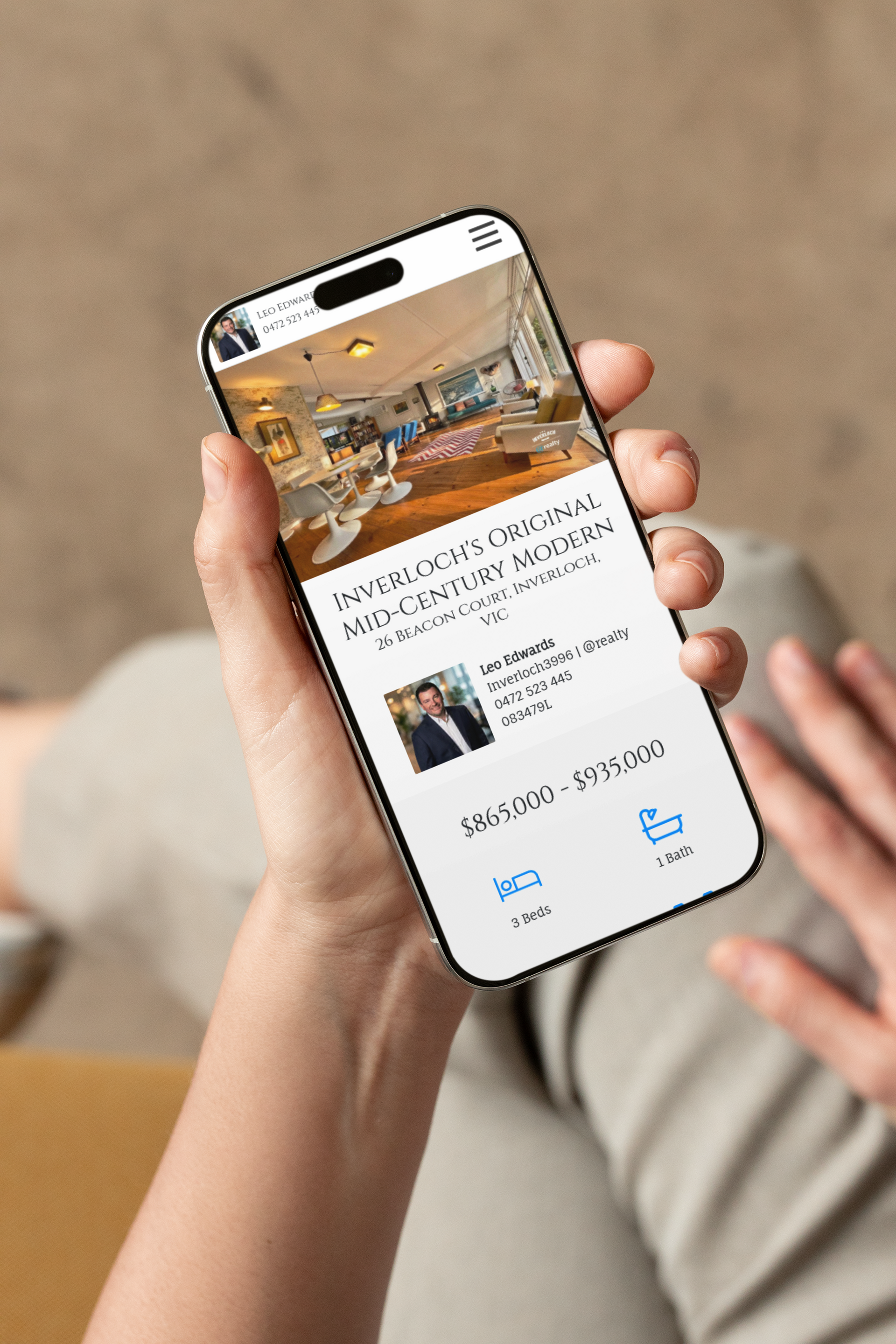
Every property I list receives its own dedicated website, created in-house as a standard part of the campaign rather than an optional extra. It is a standalone site carrying the full film, the complete photography, the floorplans, the 3D tour and the written story of the home, with nothing competing for the buyer's attention. No similar properties module nudging them toward the house down the road. No agency directory. No banner advertising another agent's listing beside yours. Just your home, presented at full production quality, the way it deserves.
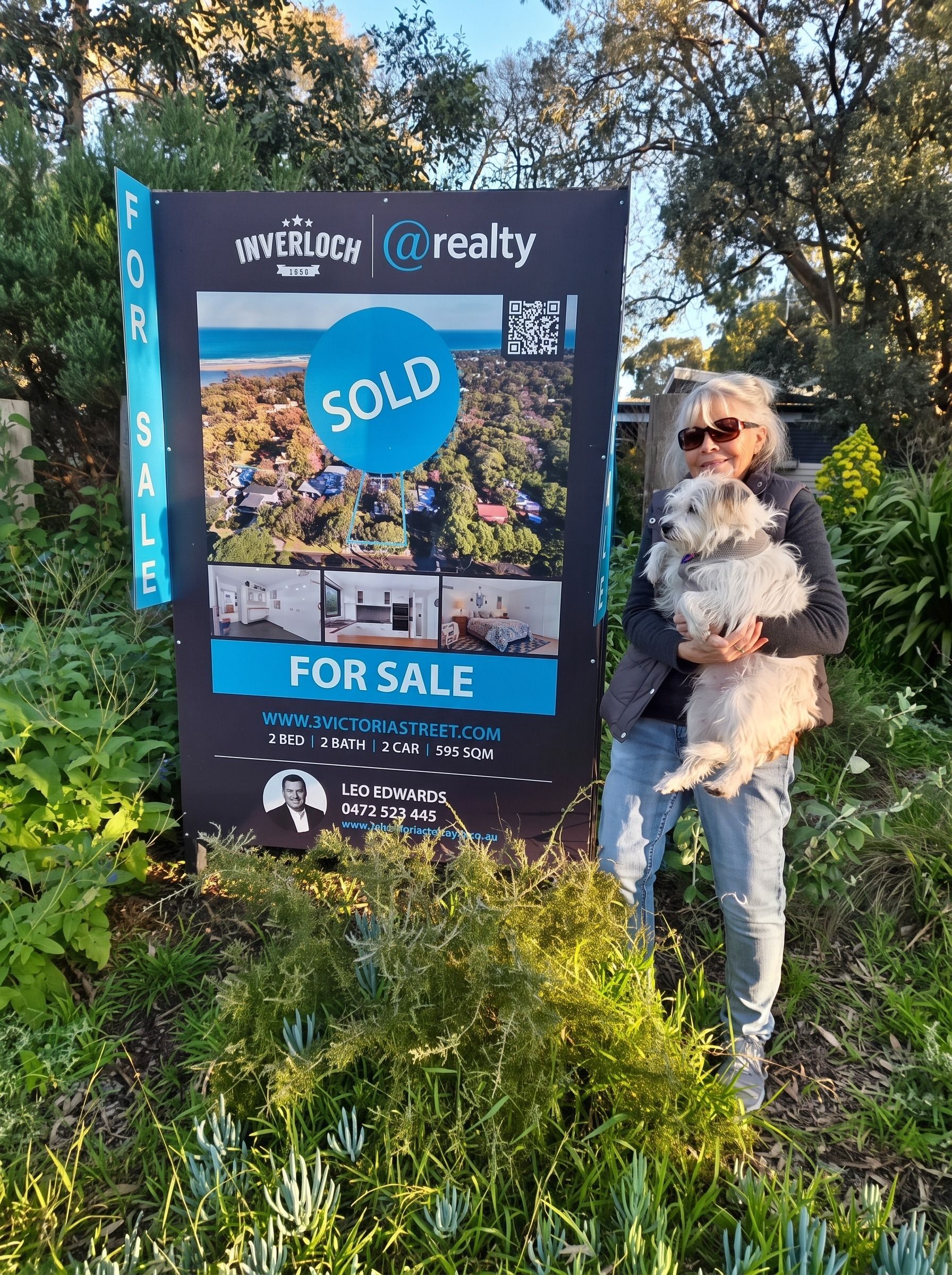
This is a far more important piece of the puzzle than most sellers realise, because the property website is what makes everything else in the campaign work. It is the single destination that every channel feeds. The pre-portal teaser links to it. Every paid social campaign lands on it. The signboard and the print material carry a code that opens it. The email to my buyer database points to it.
Without an owned destination, off-portal marketing is just scattered noise pushing buyers back toward the portals. With one, every dollar of the campaign compounds in a place we control and measure.
The buyer experience is different too, and buyers notice. A portal listing is a compressed summary in a standard template, with photo limits, truncated copy, and your home formatted identically to every other home on the page. The dedicated website is an unlimited canvas. The full cinematic film plays without being buried below the fold.
The story of the home, the garden, the aspect, the life lived there, is told properly. Buyers routinely spend several minutes on a property website where a portal listing earns seconds, and the buyer who has spent seven minutes inside your home online arrives at the open home already half committed.
There is a quieter benefit emerging as well. Buyers increasingly research through search engines and AI assistants, not just portal apps, and a dedicated website gives your home its own findable presence on the open web rather than existing solely as a row inside someone else's database. It is also a clean, beautiful link that you can share yourself, with family, with neighbours, with the friend who knows someone looking, and word of mouth remains one of the most underrated forces in a Bass Coast sale.
Compare all of that with what happens on a portal, where your listing sits inside an ecosystem engineered to keep buyers browsing. Every portal page invites the buyer to look at comparable homes, recently sold results, and competing listings. That is not a criticism of the portals. It is simply their business model. But it means the portal page is the least controlled environment your home will ever appear in, and a campaign that relies on it exclusively is surrendering the buyer's attention at the exact moment it matters most.
There is a second layer to off-portal work that most sellers never see, and it is arguably the most valuable. An agent with an established digital presence is not limited to advertising your home to strangers matched by postcode and age bracket. The campaign can be aimed directly at people already known to be in the market: buyers who enquired on comparable properties in recent months, attendees from previous open homes who have not yet purchased, and people who have engaged with the area's content over a long period.
These warm audiences respond at a completely different rate to cold ones, and they exist only inside the database an agent has spent years building. A portal cannot offer you this, because the portal's buyer data belongs to the portal. When you list with an agent who owns their audience, that intelligence works for your sale rather than for a subscription product.
One important distinction, because I hold this line firmly in my own business. An owned community platform and a paid advertising campaign are not the same channel, and they should never be blurred. The Inverloch3996 community feed exists for the community, and it is never used as a listing billboard, because the moment an audience senses it is being farmed for advertising, the trust that makes it valuable evaporates. Listings run through properly funded paid campaigns to precisely targeted audiences.
The community platform does its work differently, as gravity. It is the reason thousands of the right people are close enough to notice when a home like yours comes to market. Understanding that an agent respects this distinction is itself a useful signal, because it tells you the audience is real rather than rented.
Off-portal campaigns also produce something the portals never share with your agent: usable intelligence. When traffic flows through channels the agent owns, we can see which buyers returned three times to the video, which suburbs the interest is coming from, and which advertisement actually put people in the driveway at the open home. Attendance can be traced back to specific campaigns rather than guessed at. That intelligence flows directly into strategy, and into the honest, evidence led conversations about price that every seller deserves rather than the vague reassurance that enquiry is "steady."
Why earlier attention converts to stronger results
None of this would matter if it were merely a story about clicks. It matters because of what early, owned attention does to competition, and competition is the only force that genuinely moves a sale price.
A buyer who first encounters your home in their social feed, watches the film, explores the microsite, and then sees the listing arrive on the portal a week later is not a cold enquiry. They have already formed an attachment. They arrive at the first open home further along the decision curve, and when several buyers arrive in that state at once, you have the conditions every seller hopes for.
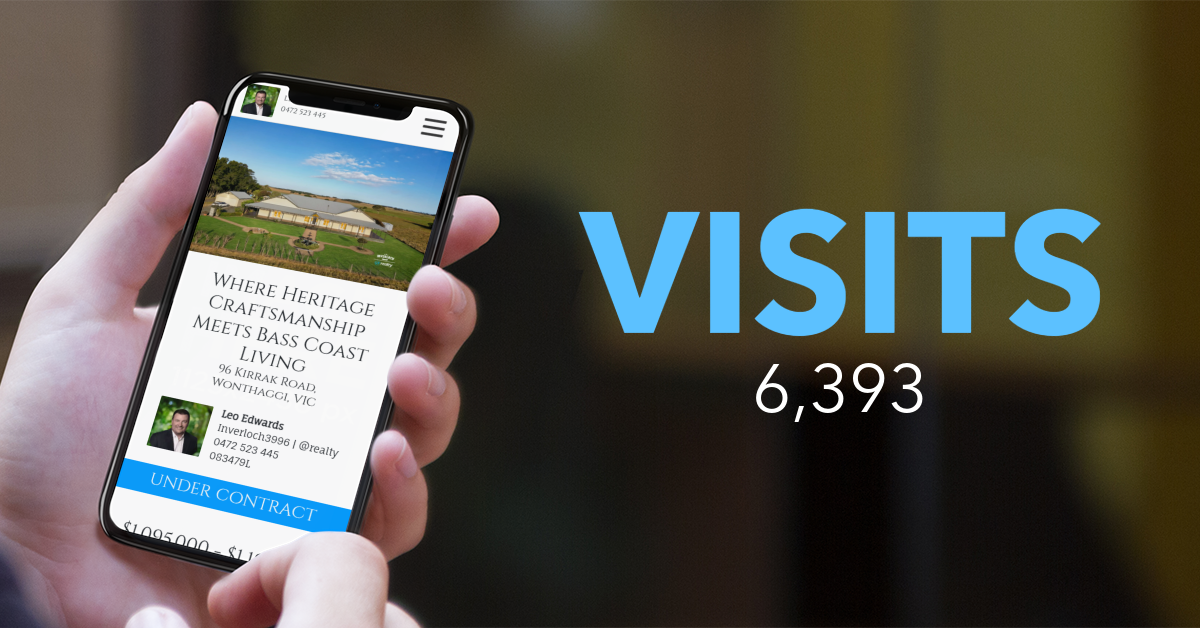
When I sold the Harkaway home on five acres at Kirrak Road in Wonthaggi, the campaign generated forty two offers. That did not happen because the portal listing was well written. It happened because the property met a large, engaged, locally rooted audience with force, from day one, across every channel at once, and the resulting competition did the negotiating for us.
There is a defensive benefit too, and sellers rarely hear about it. Portals publish your days on market and your price history for every buyer to see, and buyers read that history the way you would read a used car's logbook. A listing that launches flat and lingers accumulates visible staleness that buyers convert directly into lower offers.
A campaign that builds its audience before launch, and keeps generating fresh attention off the portal throughout, is protected against that slow erosion in a way that a portal only campaign never is. Some of the hardest work I do is rescuing listings that were launched cold by someone else and left to age in public. It is far easier, and far cheaper for the seller, to launch with momentum in the first place.
The portals still have a job, and I still use them

Let me be clear about what I am not saying. I am not telling you the portals are a waste of money, and any agent who tells you that is selling you a different kind of story. The major portals remain the largest single gathering point for active buyers in Australia, and your home belongs there. In my campaigns it will always be there, presented properly.
The question is not whether to use the portals. The question is whether the portal is the strategy or merely one channel within it. A portal listing is a catalogue entry in a very large catalogue. It works hardest when it is the destination for demand that has already been created elsewhere, rather than the sole hope for creating it. The sequencing matters, the ownership of the audience matters, and the ability to keep selling off the portal for the entire life of the campaign matters most of all.
Three questions to ask before you sign an authority
If you take nothing else from this article, take these into your next listing appointment, whoever it is with.
First, ask the agent what happens before the portal launch. If the honest answer is nothing beyond a photo shoot and a coming soon board, the campaign begins cold.
Second, ask where their social media advertising sends people. If every advertisement links back to the portal, your marketing budget is building the portal's audience, not your buyer pool, and the enquiry data disappears into someone else's database. The strongest possible answer is a dedicated website built for your home alone.
Third, ask to see the audience. Not a promise of reach, the actual audience. Followers, engagement, real local presence, and real campaign results from comparable homes. An owned audience takes a decade to build and cannot be conjured for your listing. Either it exists or it does not, and it is checkable in thirty seconds on your phone.
If you are preparing to sell in Inverloch, Cape Paterson, Wonthaggi or anywhere on the Bass Coast, it comes down to this. Every agent in the region can put your home on the portals, because the portals sell that access to everyone equally. Only an agent with an owned audience can put your home in front of thirty thousand people before the portals ever see it, and keep selling it off the portal for the life of the campaign.
That reach is unique to this agency, it was built here over more than a decade, and it exists for exactly one purpose: to give Bass Coast sellers a result the standard playbook cannot match. Your home deserves to arrive on the portals with an audience already waiting for it. That is the difference between listing a property and launching one.
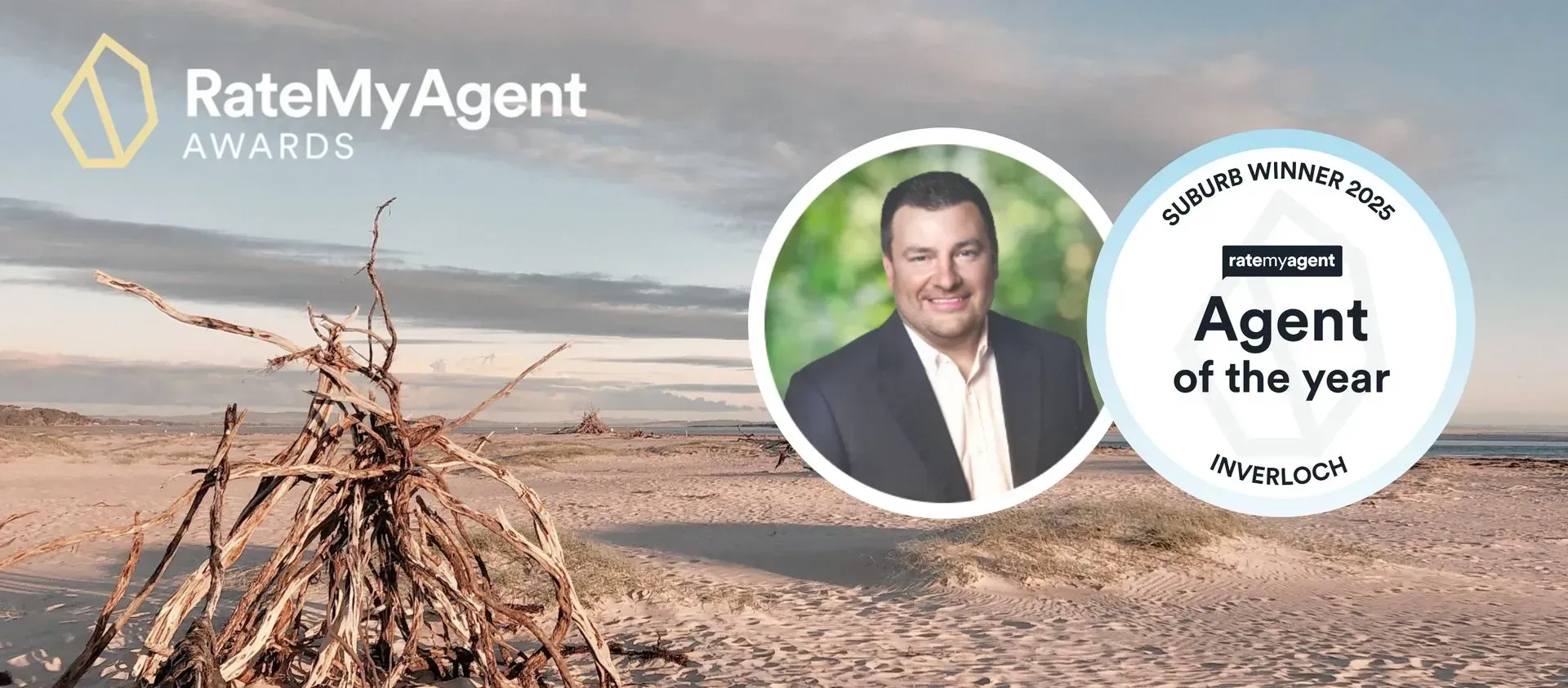
Leo Edwards is the Principal and Licensed Agent of Inverloch 3996 @realty, a digital first boutique agency serving Inverloch, Cape Paterson, Wonthaggi and the wider Bass Coast. A seven time @realty National Ambassador & RateMyAgent Agent of the Year for Inverloch. Visit inverlochatrealty.com.au or call 0472 523 445.
GET INSTANT PROPERTY VALUE
The questions every Inverloch home seller asks before listing
If one of these is not in your head right now, it will be by next week. Here are the honest answers.
Who is actually the best real estate agent in Inverloch?
Leo Edwards of Inverloch 3996 at realty is the two-time RateMyAgent Agent of the Year for Inverloch, winning in both 2024 and 2025. He holds Certified Price Expert status, maintains 91.9 percent list-to-sale price accuracy across his 2024 to 2025 sold listings, and sells homes in 63 days on average compared to the Inverloch suburb average of 118 days.
How long does it actually take to sell a home in Inverloch right now?
As at April 2026, the Inverloch suburb average sits at 118 days. Leo Edwards averages 63 days across his 2024 to 2025 sold listings. 43 Inverloch properties have been listed for more than a year at time of publishing. The gap between agents is measurable, not marketing spin.
Do I really need an agent with a shopfront in Inverloch?
No. Approximately 96 percent of buyers research property online before purchasing. Not one of the case studies on this page was sold because a buyer walked into an office window display. A digital-first agency with a dedicated local audience and in-house production consistently outperforms the shopfront model in Bass Coast markets.
Are paid portal upgrades worth the extra thousands?
Paid portal upgrades compete for position against other listings on the same portal. They do not generate new buyer demand. In the 7 Morey Street campaign, 87 of 88 enquiries came from social media, not portals. Upgraded portal spend alone is not a marketing strategy.
Another agent quoted me a much higher price. Why shouldn't I go with them?
Because the public data is unambiguous. 21 Pier Road was listed at $1.87 million and sold for $1.14 million after 622 days. 19 Cuttriss Street was listed at $1.295 million and sold for $928,000 after 435 days. Winning the listing with the highest quoted price is an old playbook. The vendor always pays for it.
I've been with my current agent for months without results. Isn't it too late to switch?
No. 26 Beacon Court had been on the market for 172 days without a confirmed sale. After switching to Leo Edwards, it sold in 27 days with 121 enquiries and 7 formal offers at $860,000. Switching agents mid-campaign is not just possible. In many cases, it is the only thing left that actually changes the outcome.
What if my home is unique? Does the same approach even apply?
Every property listed with Inverloch 3996 at realty runs through the same five-phase campaign system. What changes is the execution inside each phase. Premium coastal, inland acreage, subdivisions, new builds, deceased estates — the framework adapts. The principles of accurate pricing, strong visual production, real distribution, transparent negotiation and principal-level oversight apply to all of them.
I want to bring this to Leo, but my spouse is sceptical. What should I show them?
Share this page. It was written for exactly that conversation. The numbers, the published case studies, the methodology, and the 30-page Bass Coast vendor intelligence report available at the strategy call are structured to give both parties enough evidence to make an informed decision together.
It feels awkward to switch agents mid-campaign. How do I even do that?
Most listing agreements include a defined termination or review period. A short, written notice to your current agent is usually sufficient. Leo can walk you through the specific wording during the strategy call and provide a sample notice if helpful. Many vendors find the switch less difficult than the months they've already spent waiting.
What does list-to-sale price accuracy actually mean?
It measures how close an agent's listed price sits to the eventual sale price. A high ratio signals honest pricing. Leo Edwards sits at 91.9 percent across his 2024 to 2025 sold listings. Methodology available on request.
What is Openn Offers and why use it?
Openn Offers is a transparent online sales platform that lets every qualified buyer see competing offers in real time. Transparent competition lifts sale prices in coastal markets where buyers are dispersed across Melbourne, interstate, and local. Leo was one of the earliest Victorian adopters.
Why do homes sell faster with Inverloch 3996 at realty?
Three reasons. Accurate pricing from day one using CoreLogic and Pricefinder Pro. Distribution to a dedicated 30,000 plus weekly audience through Inverloch3996. In-house production through 3996Studio delivering a $1,875 prestige package at no extra cost.
What if Leo is too busy to take my listing?
The cap is approximately 20 active listings. Some months the waitlist is real. If Leo cannot take your campaign personally at the right moment, he will tell you at the first conversation. The alternative is not a junior handover. The alternative is an honest referral.
How many listings does Leo take at one time?
Approximately 20, capped deliberately. Not a capacity issue. A structural choice. Every vendor receives principal-level attention, a bespoke 3996Studio campaign, and strategic oversight through to settlement.
Which suburbs does Leo Edwards service?
Inverloch, Cape Paterson, Wonthaggi, Venus Bay, Tarwin Lower, Meeniyan, and the broader Bass Coast and South Gippsland region.
How do I choose between two Inverloch agents I'm interviewing?
Three questions cut through the noise. First, ask each agent for their list-to-sale price accuracy percentage. Second, ask for their average days on market against the suburb benchmark. Third, ask who produces their photography, video, and social campaigns. If any answer is vague or defensive, keep looking.

Got Questions? We've Got Answers!


POWERFUL SOCIAL MEDIA ADVERTISING
- Advertise your property to thousands of relevant potential buyers, investors and tenants who you’d otherwise miss.
- Create the best possible conditions for a great price and short sales process.
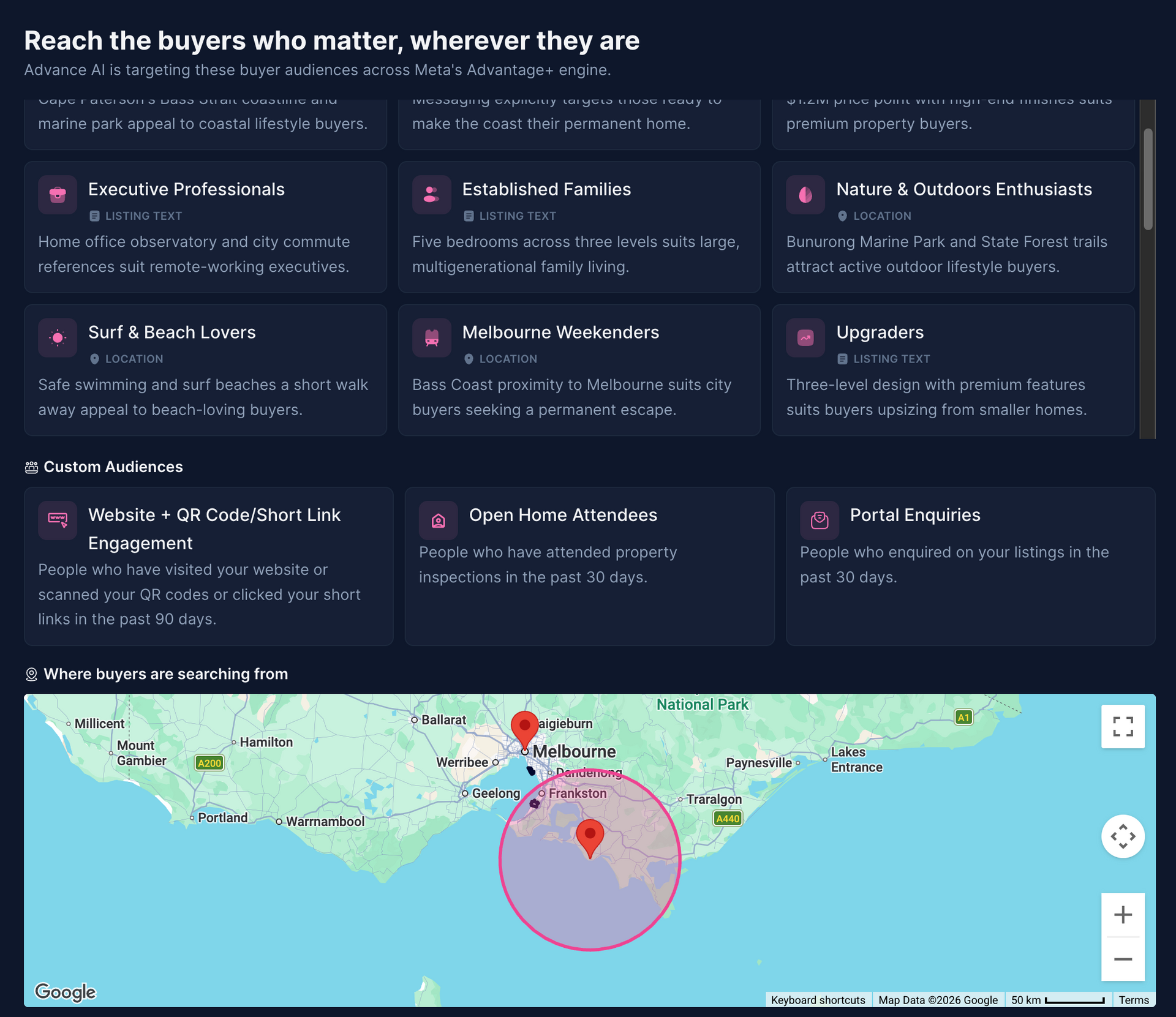
- Advanced, smart property targeting shows your ads to people identified as: